

At RŪPAHAUS, we are all about turning natural materials into functional and yet fashionable garments; and the main aspect of our process is naturally hand dyeing our yarns. In this little blog entry, we will take you on journey to explore the beauty of plant-based natural fabric dyes and the best natural plant dyes for dyeing fabric.

The beauty of plant-based natural fabric dyes
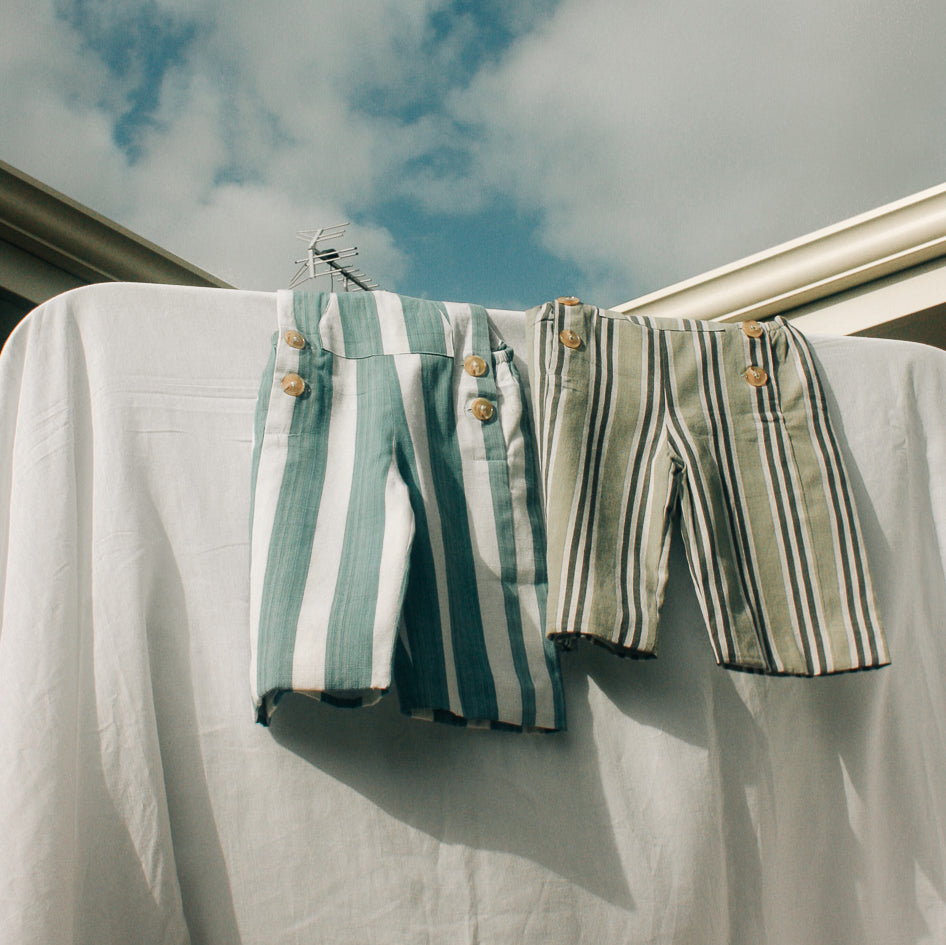
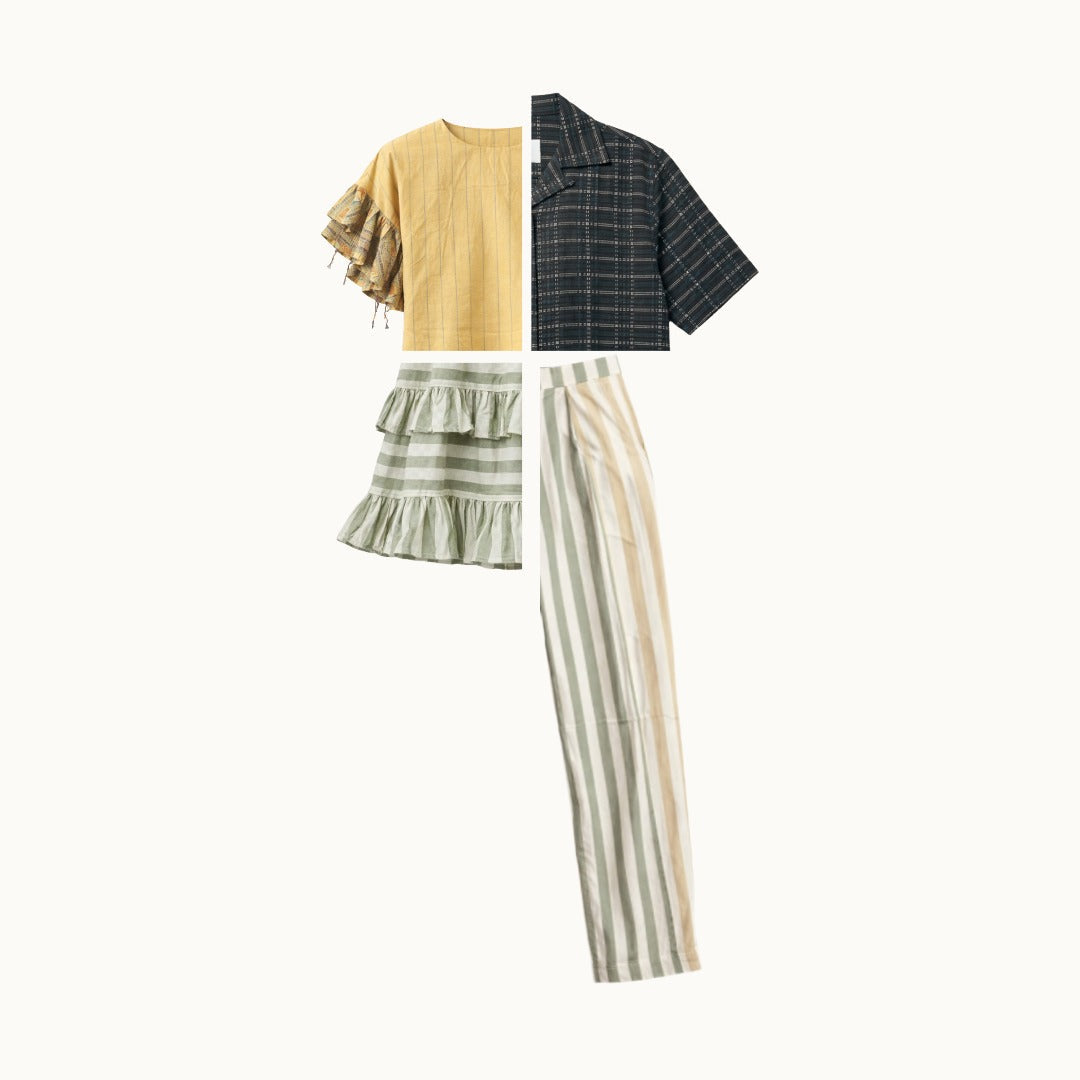
Who doesn't love lines? The classic, goes with everything pattern has definitely been a staple across RŪPAHAUS collections. The warm pastel hues and the bold (or thin) lines on our fabrics wouldn’t have been the same without the native plants used for our natural dyes; and of course the power of the equatorial sun.
While our colours and patterns speak for themselves, sometimes curious minds wonder about how these colours come about - and if you ask us, our answer lies within the hidden beauty of natural dyes and what we think the best natural plant dyes for dyeing fabric, and the best natural mordants and fixatives are. We've designed this journal entry to be a mini glossary to satisfy those curiosity.

The best natural plant dyes for dyeing fabric (according to us!)
Given that Indonesia consists of islands with different soil and environmental make ups, most of the plant dyes used on our textiles can only be found locally in the artisans’ surrounding soils imprinting an additional unique signature. To us, these native plants are the best natural plant dyes for dyeing fabric; not only because the sustainability of deriving something within our own ecosystems, but also the fact that it reduces our carbon footprint significantly.
So what are the best natural plant dyes for dyeing fabric?
If we were to list all the natural plants in the world ever existed for dyeing fabric, we'd be here forever. So instead, below is the list of natural plants (along with the parts of plants) we've used to create our vibrant collections.
- Sappan Wood
- Heartwood of Jackfruit
- Heartwood of Cockspur Thorn
- Morinda Roots
- Water Primrose Leaves
- Indigo Tinctoferia Leaves
- Mahogany Bark
- Skin of Beleric Fruit
The natural dyeing techniques were the first to be introduced to our artisans before synthetic dyes ever exist and therefore the local plants used to yield our plant dyes can be found native to all of our Artisan Collectives. This applies to following plants:


Native Mahogany bark yields a warm salmon pink hues whereas Water Primrose leaves or Heartwood of Jackfruit to yield a range of hues from yellow to green. Another two natives to the Javanese soils are the fruit skin of Beleric Myrolaban to obtain the shades of grey to black and the famous Indigofera Tinctoria leaves that create the majestic shades of blue.

Our Ikat textiles take us to the Far East region of Indonesia; an island with a very different touch, feel and see in contrast with Java. Aside from their famous, deep blue derived from their native Indigofera Tinctoria plant, the island also offers the acclaimed strong red hue derived from Morinda Roots that are specifically native to their soils and the Heartwood of Cockspur Thorn for the colours of yellow to orange.
What about the best natural mordants and fixatives for dyeing fabric?
The plant dyes alone are not strong enough to be retained by our yarns, to make sure the dyes are fixed and don’t bleed, we use different plant-derived mordants in our fixation process subject to the colours we want to achieve.
Natural mordants and fixatives
The following list includes the best natural mordants and fixatives for naturally hand dyeing fabrics.
- Iron
- Alum
- Salt Crystals
- Copperas
- Natural Tannins

Now that you've learned about the beauty of plant-based natural fabric dyes, aren’t you curious as to how we turn this exciting combination of natural plant dyes and natural mordants and fixatives, our 100% non-GMO cotton yarns and the traditional techniques into our garments? Stay tuned for another journal entry dedicated to our techniques.

Share:
10 Mindful Things
What is the ethical fashion movement?