



Indonesian Artisan Textiles
Handwoven. Plant-dyed. Shaped by time, place, and partnership.
Craft Rooted in Partnership
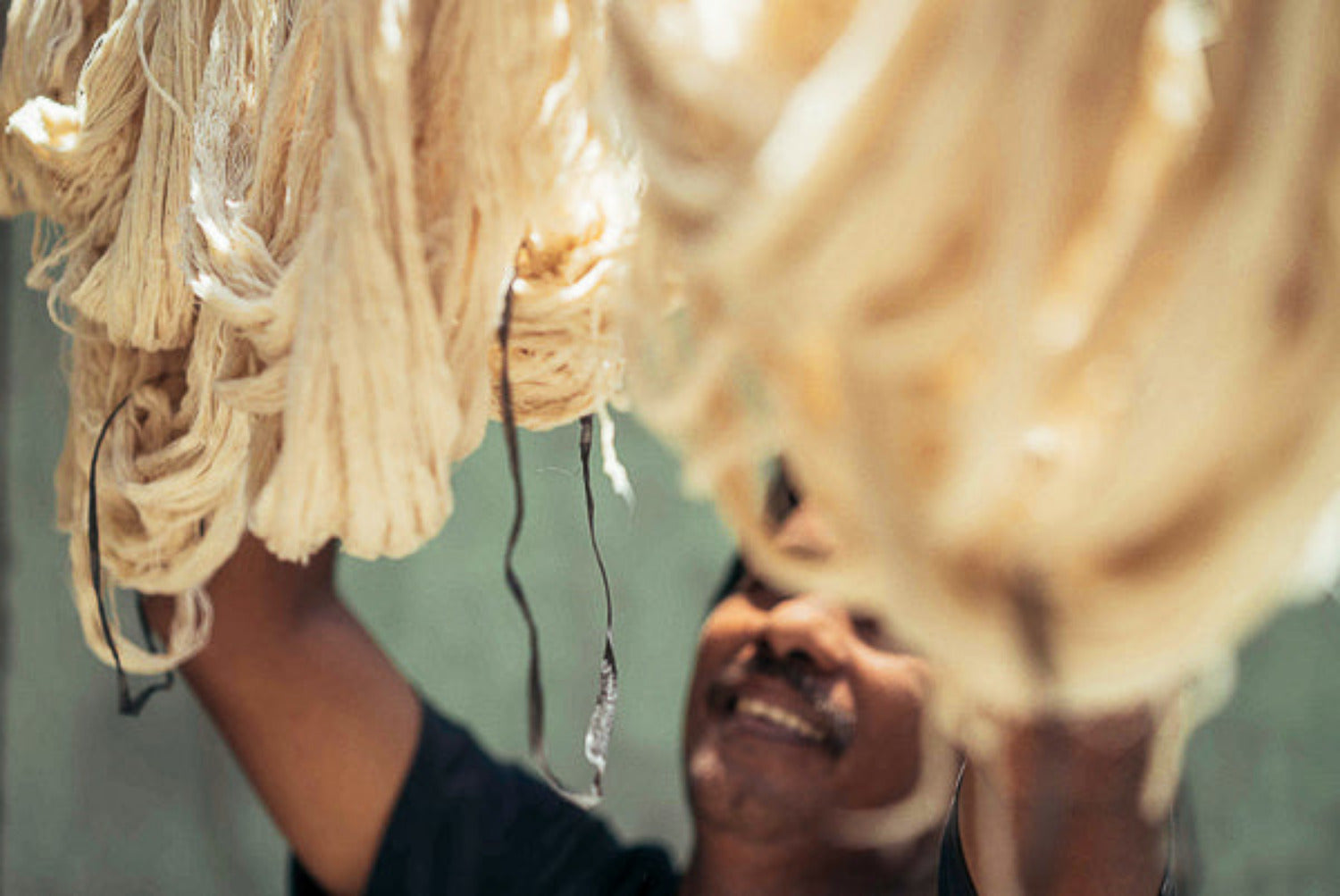
Our textiles are developed in long-term partnership with artisan communities and small ateliers across Indonesia.
These relationships are not transactional.
They are built through on:
- Shared decision-making,
- Continuity of work,
- Direct communication
- Small-batch consistency
We do not approach craft as preservation, nor as saviourism.
Tradition is treated as something living — evolving alongside contemporary life.
When garments are designed to be worn often and kept, steady work becomes possible.
That continuity sustains knowledge.
Economic Continuity Over Extraction
Many global supply chains operate through seasonal spikes — producing intense bursts of work followed by silence. We prioritise long-term collaboration rather than short-term sourcing.
This means:
- Ongoing orders rather than seasonal spikes
- Shared planning
- Small-batch consistency
- Direct communication
Seasonless design allows steadier rhythms.
When production is not driven by rapid trend cycles, artisans can plan capacity realistically — and skill is sustained rather than diluted.
Time as a Material
In industrial systems, speed is efficiency. In craft systems, time is material.
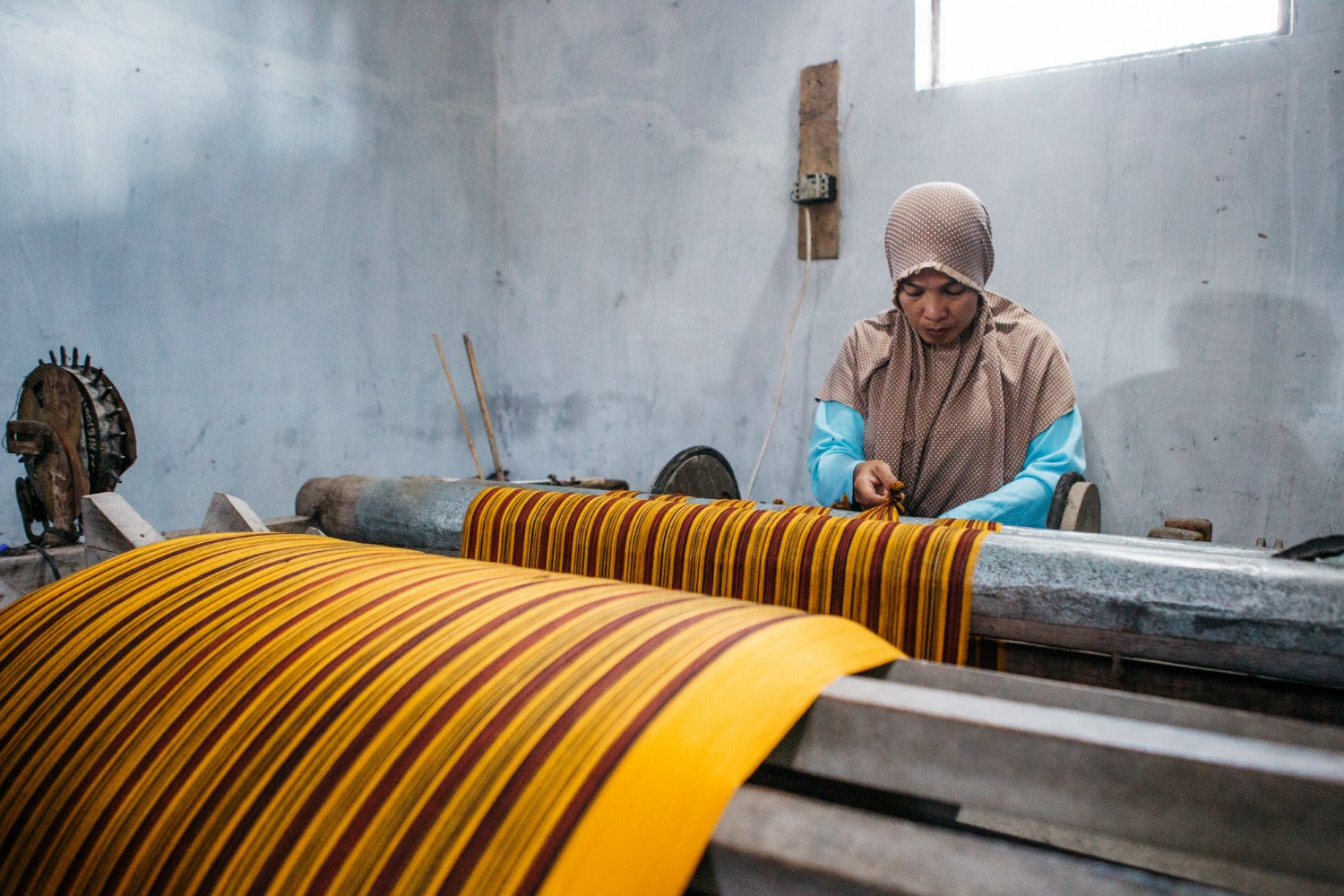
Handwoven textile creation involves:
- Fibre preparation
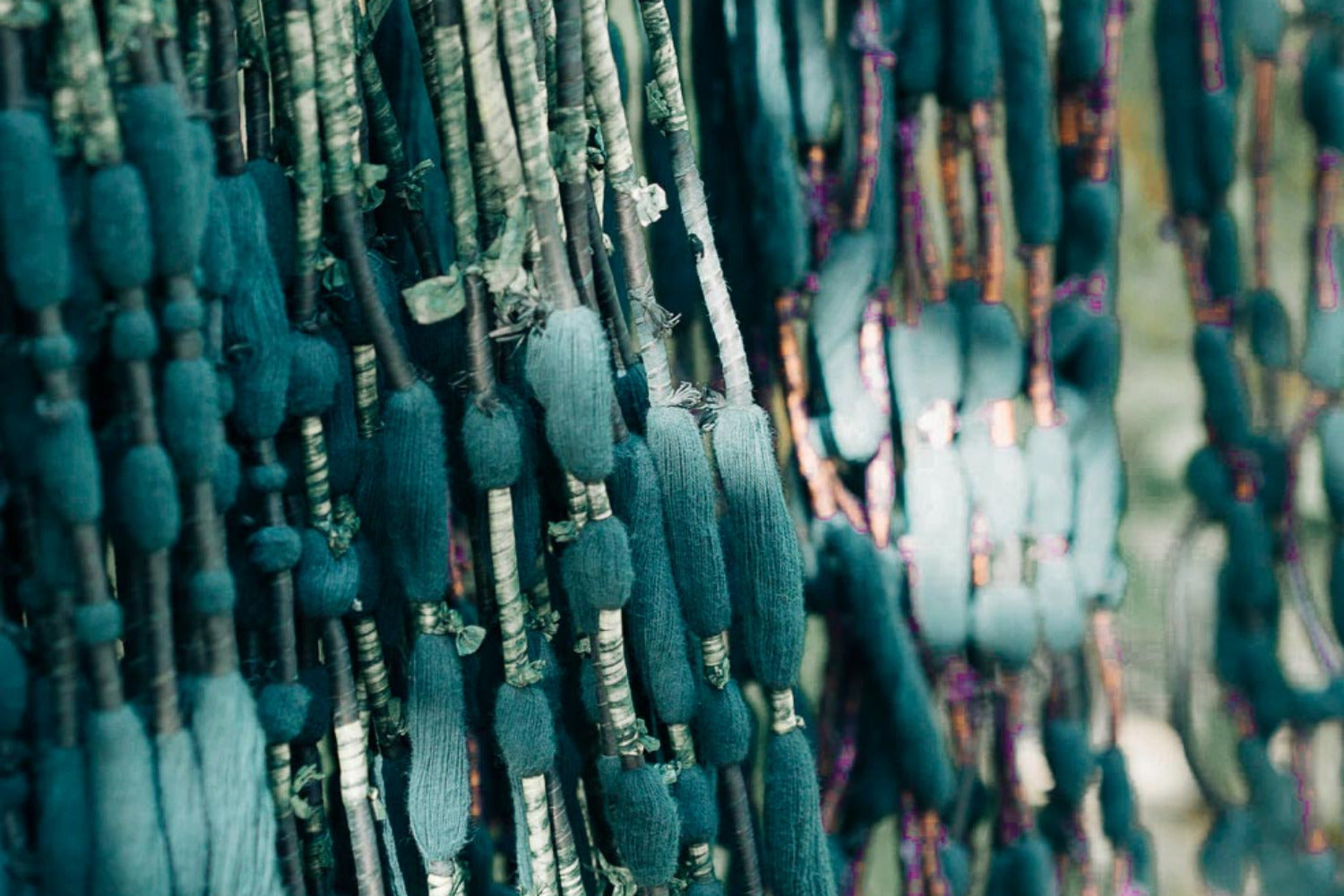
- Dye extraction
- Sun drying
- Loom setup
- Manual weaving
Production follows climate cycles and human capacity, which in turn creates:
- Limited batch output
- Natural tonal variation
- Rhythmic production pacing
When garments are designed for repetition rather than rapid turnover, this pace becomes sustainable.
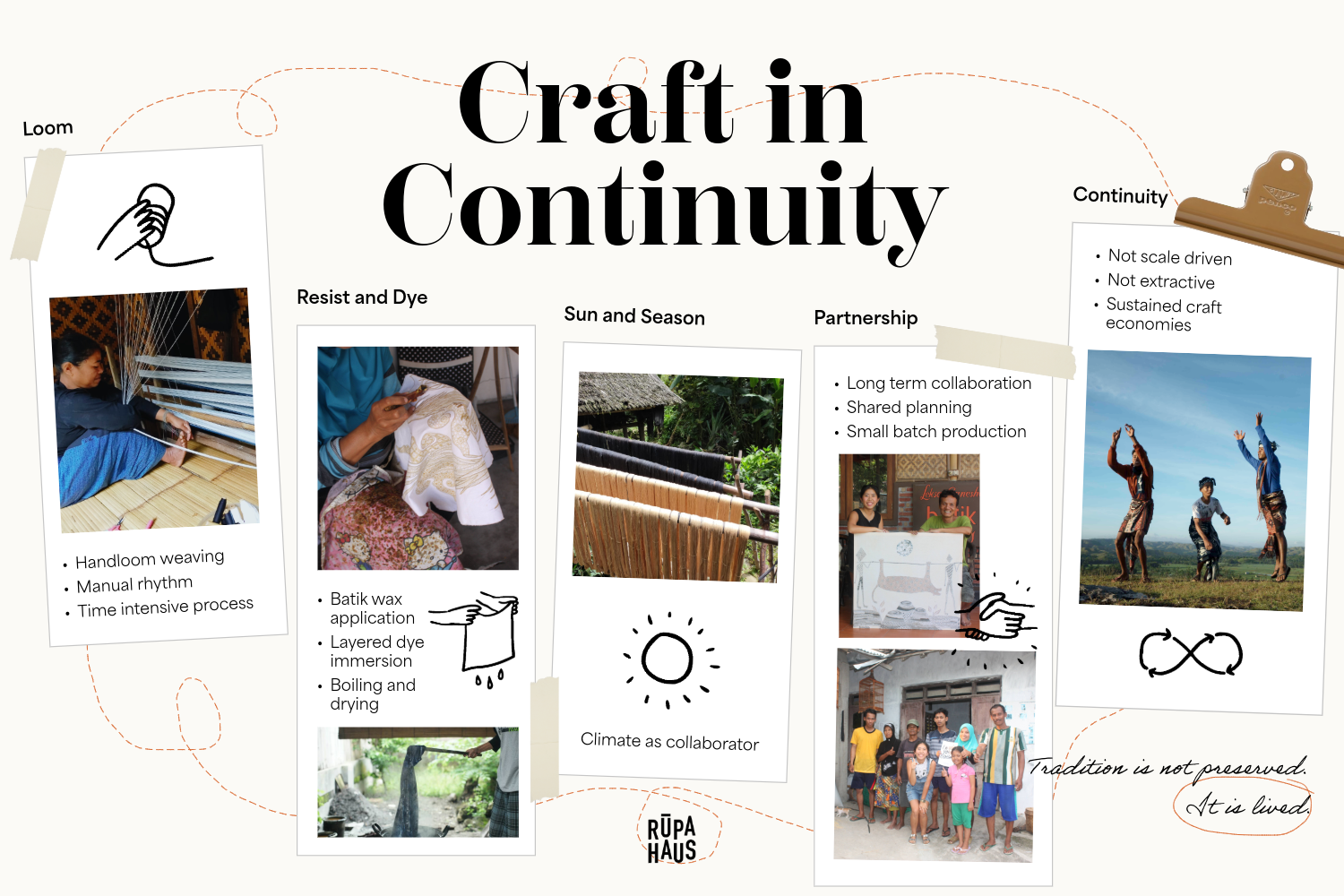
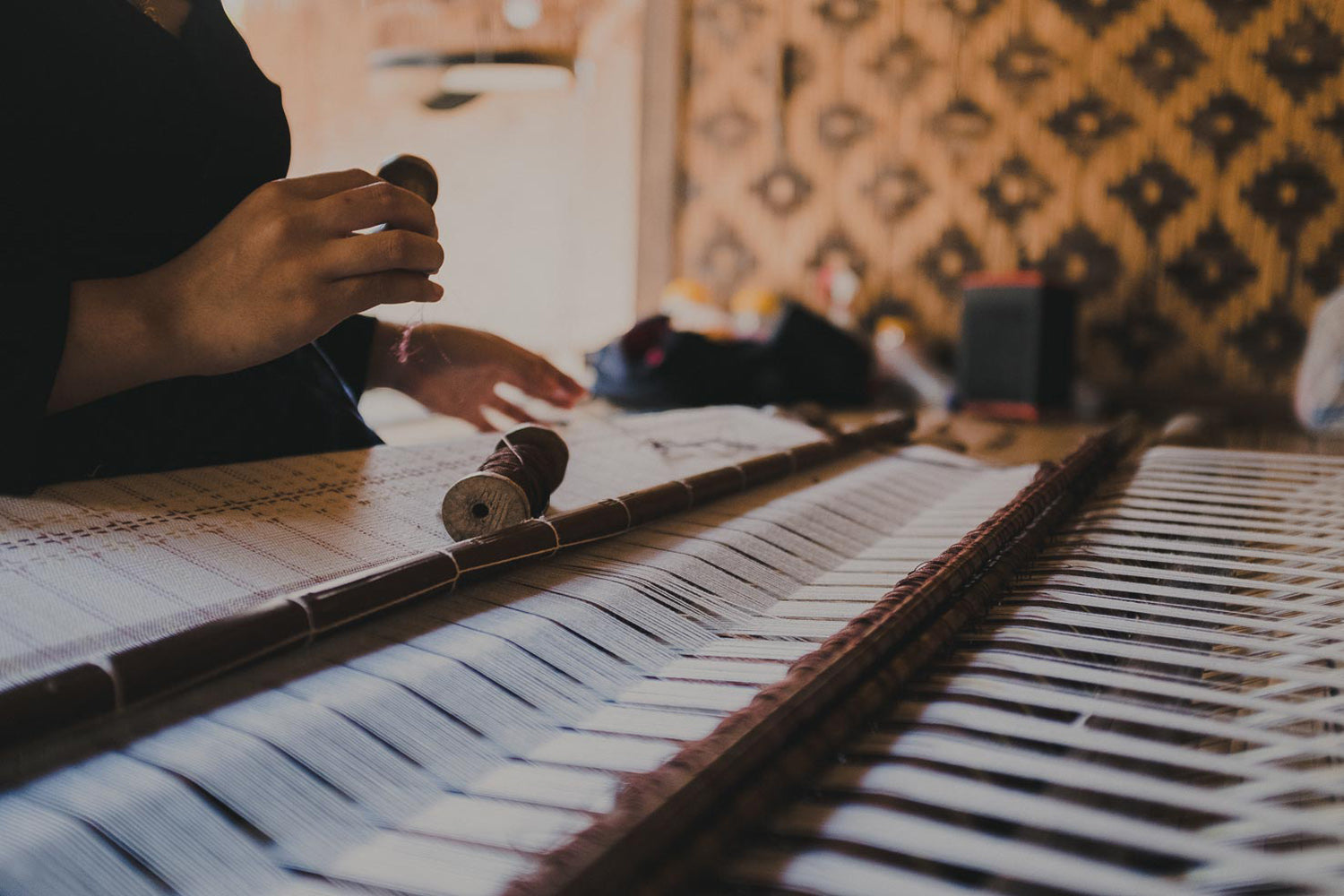
Handloom Weaving
Many of our textiles are woven on traditional handlooms.
Unlike industrial weaving, handloom weaving is:
- Manually operated
- Slower in production
- Physically embodied
- Dependent on artisan skill
A single textile can take days — sometimes weeks — to complete.
The rhythm of weaving determines output, not machinery.
This pacing shapes texture, density, and subtle irregularities that reflect the human hand.
Variation is not error.
It is evidence of process.
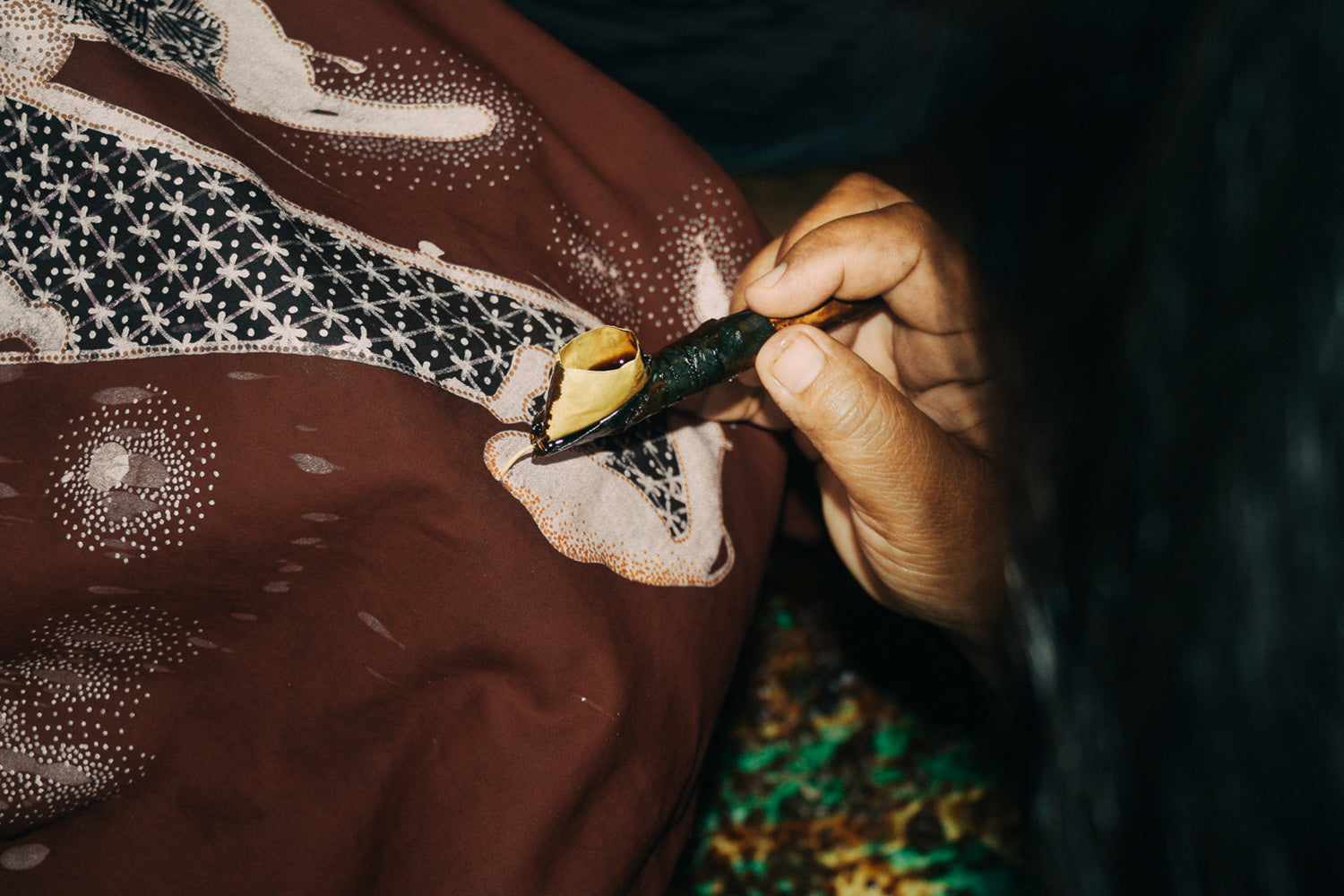
Batik & Resist Dye Techniques
Some of our textiles are created using resist-dye techniques called batik — where wax is applied to fabric before dye immersion to create pattern.
Batik is a layered process requiring:
- Wax application
- Dye immersion
- Boiling to remove wax
- Repetition across layers
Patterns are not printed.
They are built through labour and timing.
Because dye absorption interacts with hand-applied wax, no two pieces are identical.
Climate participates in the outcome.
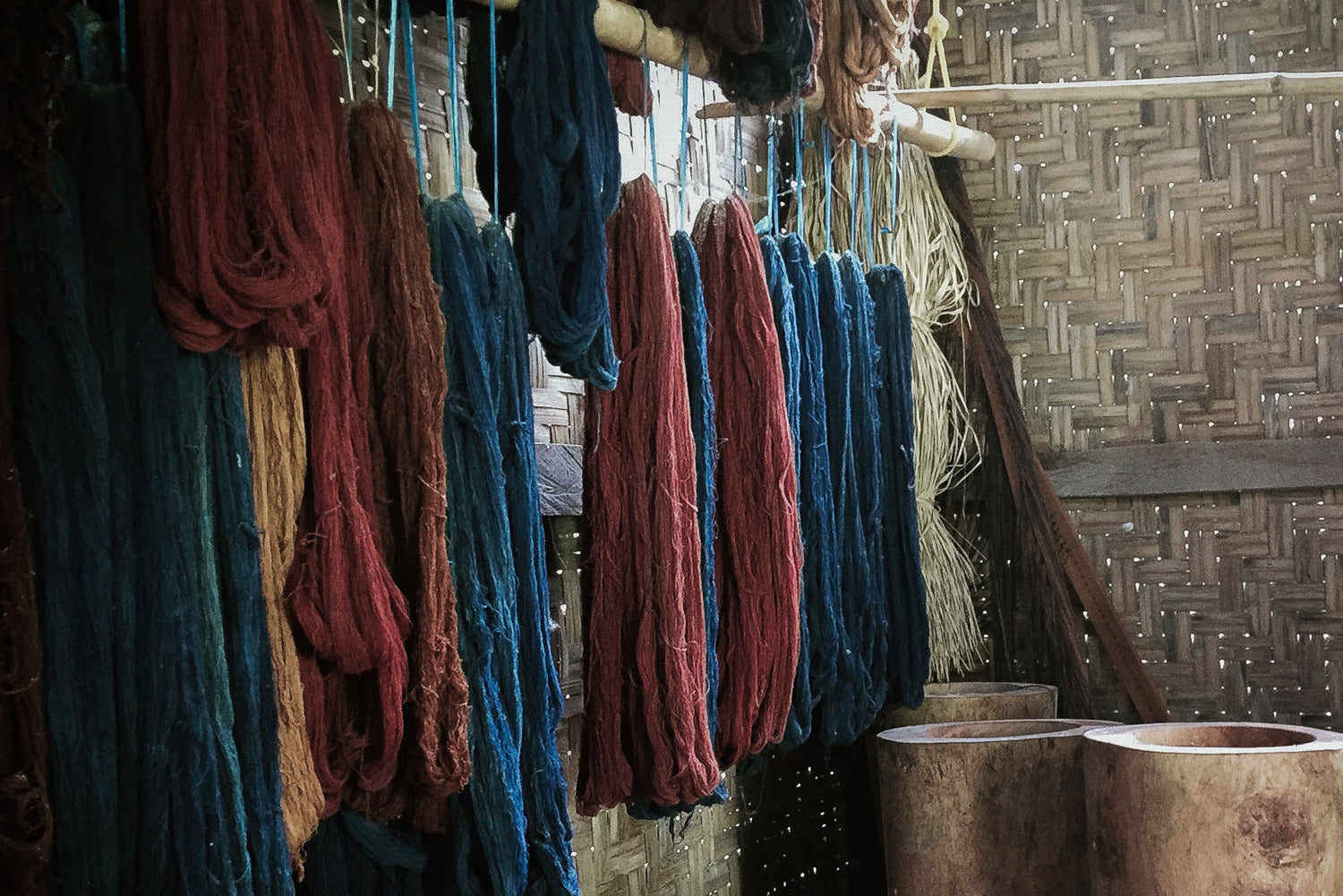
Variation as Evidence of Handwork
No two artisan textiles are identical because weaving tension, dye absorption, sun exposure, humidity, and seasonal conditions vary slightly between batches.
Subtle shifts in weave density.
Minor tonal differences across dye lots.
Natural irregularities in pattern alignment.
These are not production flaws. They reflect process, and are evidence of hand, time, and place.
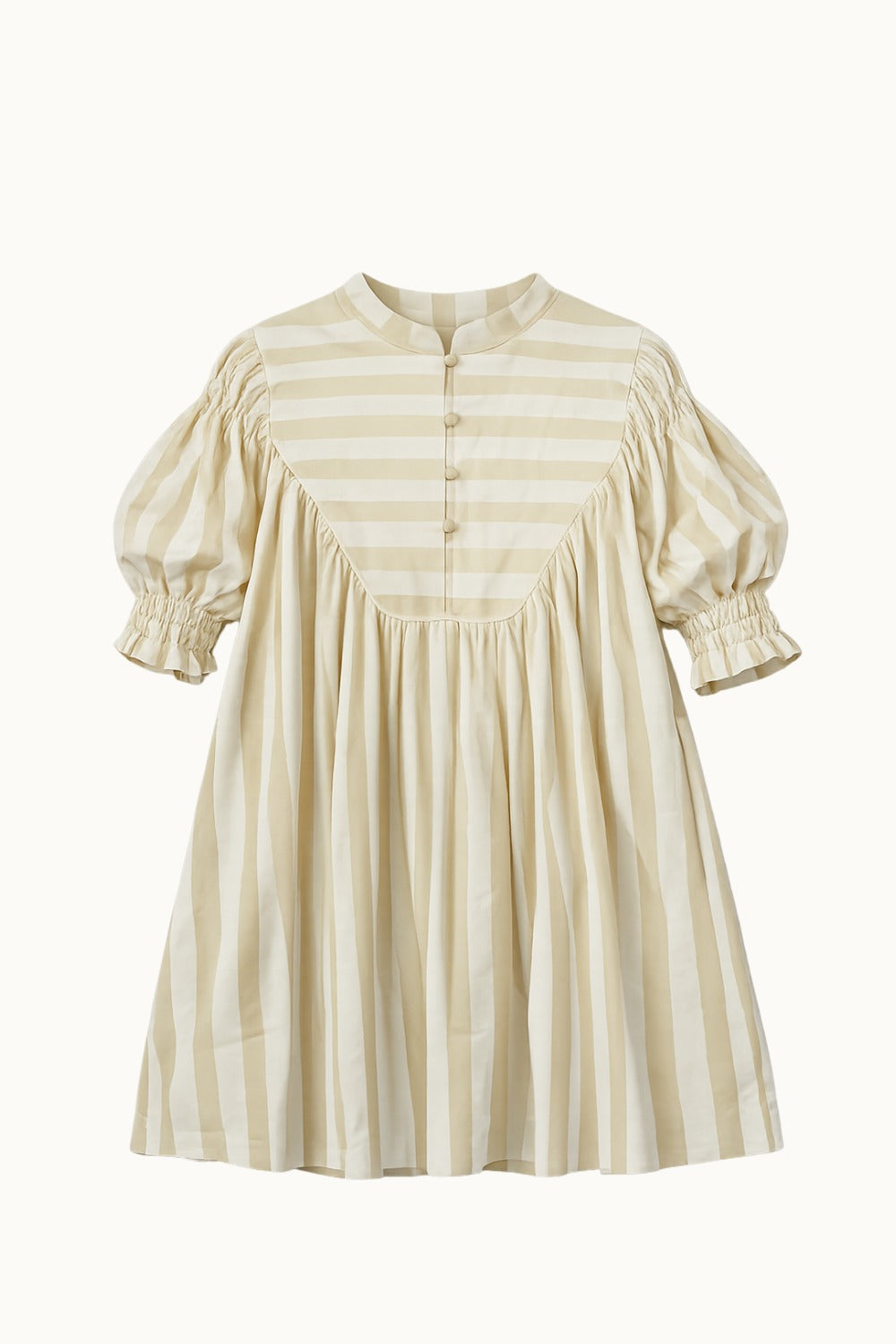
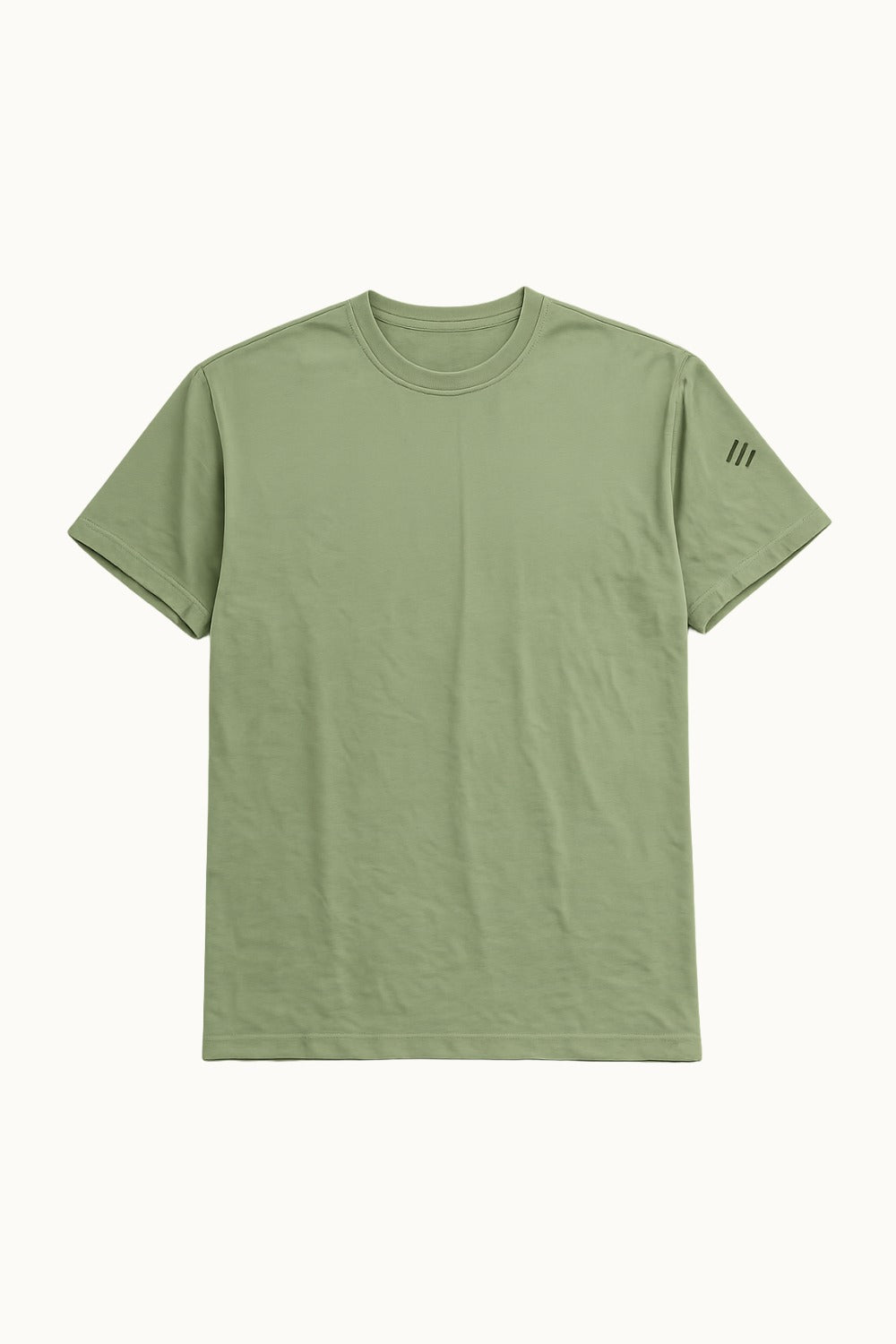
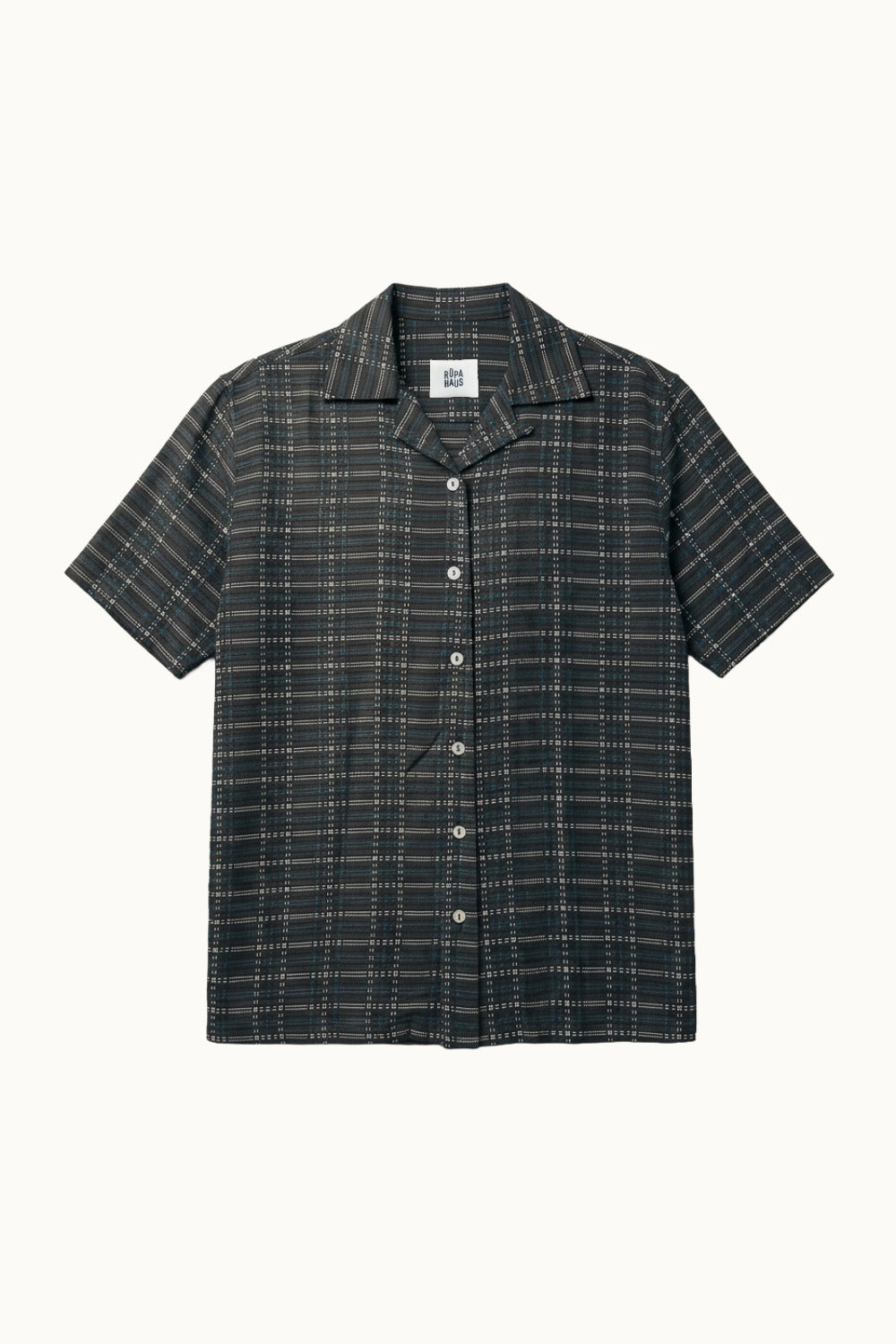
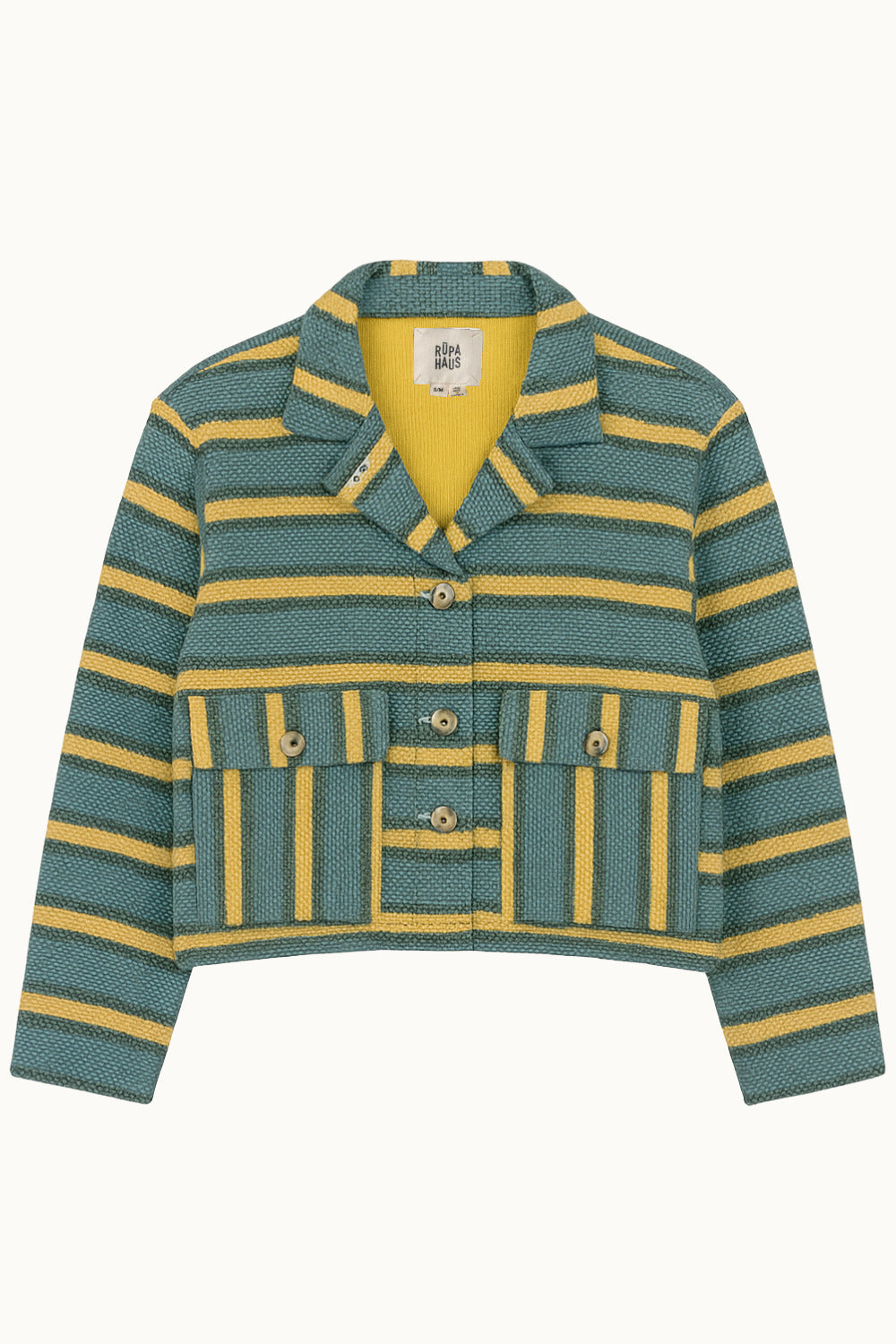
Wearable pieces rooted in slow craft.
Our Seasonless Wardrobe
What is handloom weaving?
Handloom weaving is a manual weaving process operated without industrial machinery. The artisan controls thread tension, rhythm, and pattern formation by hand, resulting in slower output and subtle irregularities.
Why are no two textiles identical?
Because plant dyes, hand-applied wax techniques, loom tension, and sun-drying conditions vary naturally. These variations reflect the craft process rather than factory uniformity.
How long does it take to make a textile?
Production time varies depending on:
- Fibre preparation
- Dye layering
- Pattern complexity
- Loom density
- Climate conditions
A single piece can take days or weeks.
Craft cannot be accelerated without altering the process itself.
Are artisan-made textiles more sustainable?
Artisan-made textiles can support sustainability when:
- Fibre cultivation avoids synthetic inputs
- Dye processes use botanical materials
- Production is small-batch
- Partnerships are long-term
Sustainability, for us, is not defined by scale alone.
It is defined by continuity — of knowledge, material integrity, and economic stability.
Artisan-made Pieces
Seasonless. Breathable. Made to be worn often and kept.