


RŪPA Journal
Explore the RUPA Journal — your go-to source for stories on sustainable living, ethical fashion, and artisan craftsmanship. Dive into behind-the-scenes insights, conscious lifestyle tips, and the journey of naturally hand-dyed textiles. Stay inspired and connected with our community of makers and changemakers.

Batik Tulis vs Batik Cap: What's the Real Difference?
Every batik piece we sell is hand-drawn, not stamped — wax laid on with a canting, one line at a time, which is why no two ever match exactly. On 2 October, National Batik Day, here's what actually separates that from the faster, stamped method, and why the slower one takes what it takes.
Read article →about Batik Tulis vs Batik Cap: What's the Real Difference?
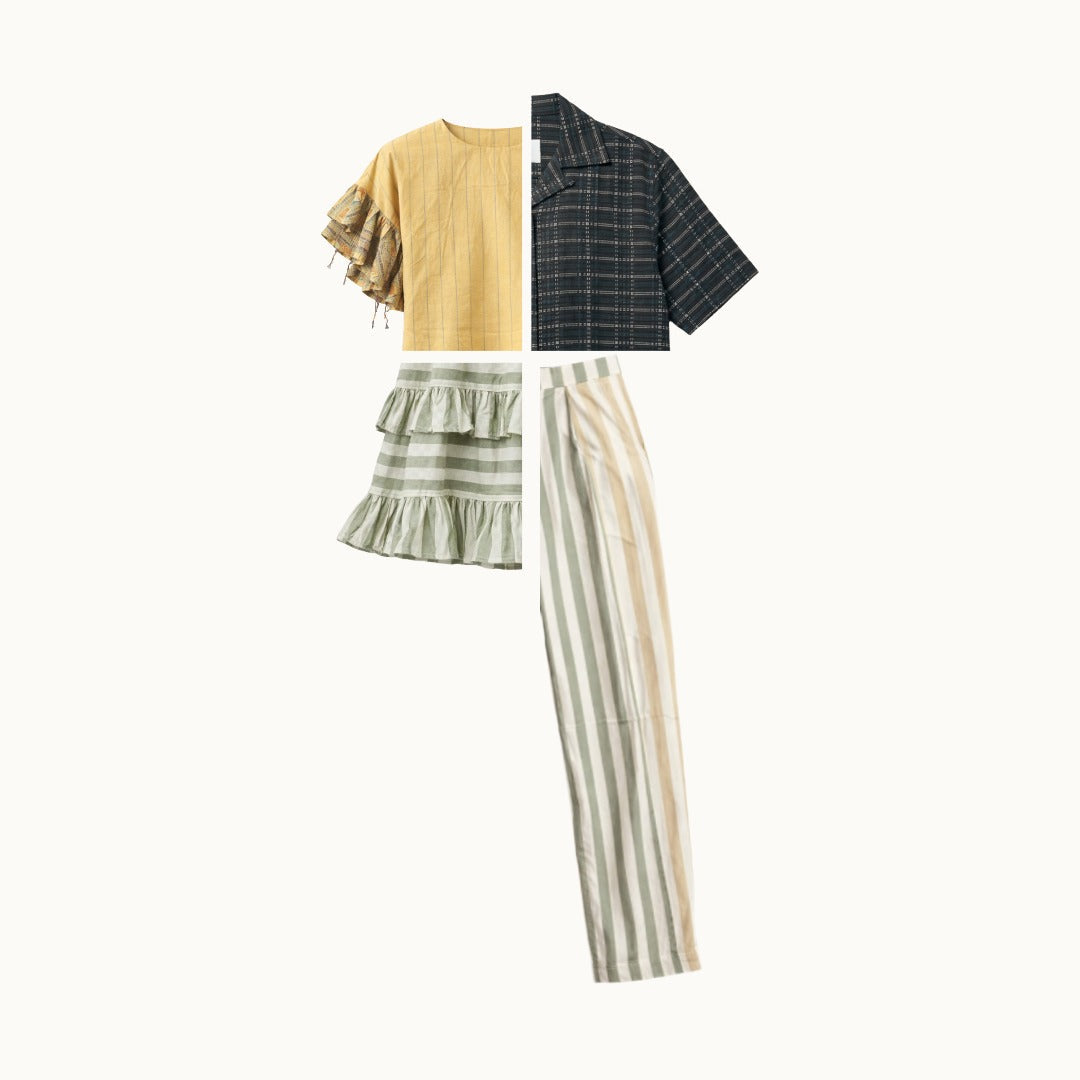
Where to Find RUPAHAUS in Perth (and online in the US)
Read article →about Where to Find RUPAHAUS in Perth (and online in the US)
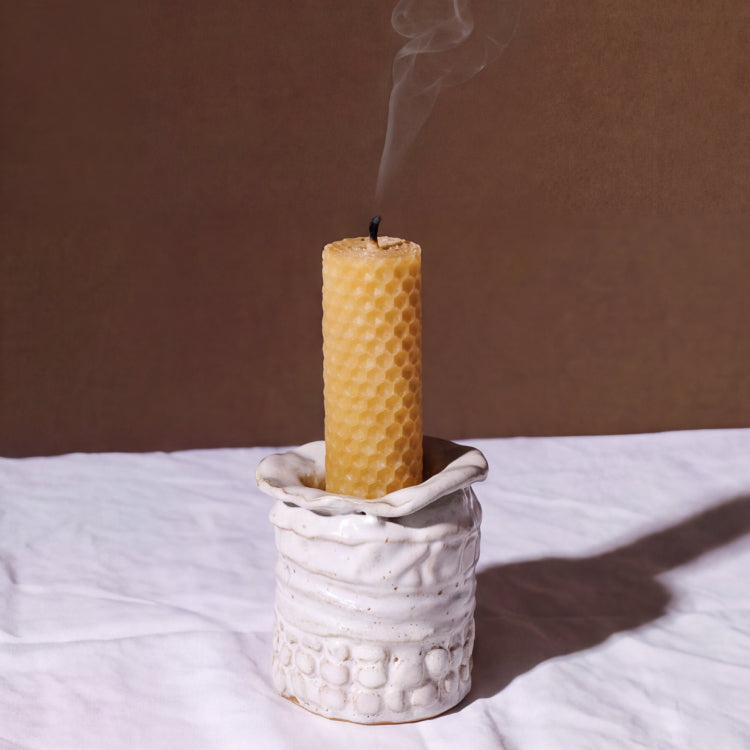
How Long Does a Hand-Rolled Beeswax Candle Burn?
No black soot, no chemical scent — just a slow, steady flame that smells faintly of whatever the bees were collecting that season. Here's how long ours actually burn, and how to get the most out of each one.
Read article →about How Long Does a Hand-Rolled Beeswax Candle Burn?

What Makes Everyday Clothing Worth Keeping
Most everyday clothing isn't built to last — not because of poor intent, but because the system around it doesn't reward longevity. This piece looks at what natural fibres, handcrafted construction, and a smaller wardrobe actually deliver over time.
Read article →about What Makes Everyday Clothing Worth Keeping
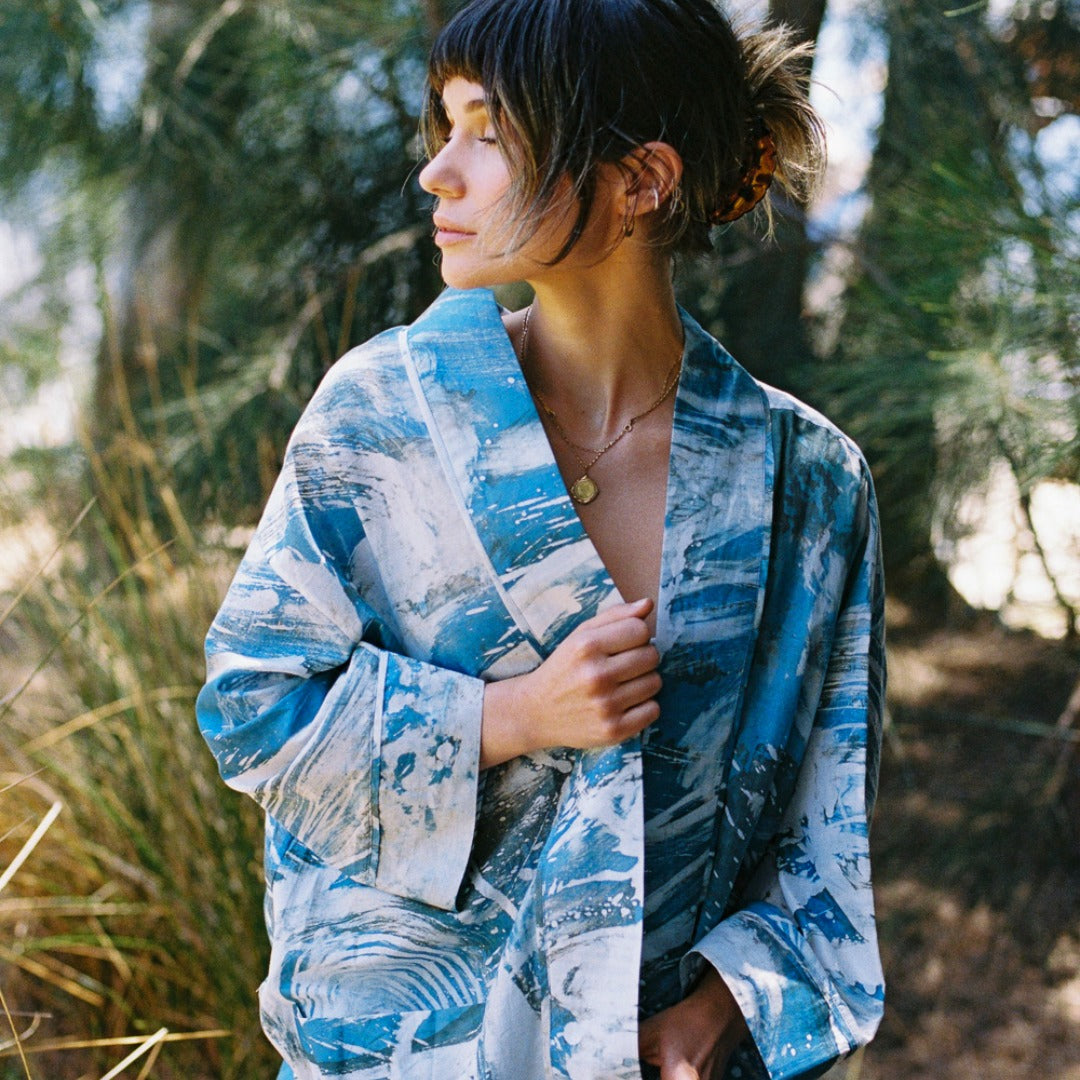
How do you style handwoven pieces when you live a real life?
Styling handwoven pieces is mostly restraint: size for room, layer for the weather you actually have, and let one textured piece lead while the rest stays quiet. Here's how a few pieces cover a real Perth winter — starting, honestly, with the size.
Read article →about How do you style handwoven pieces when you live a real life?
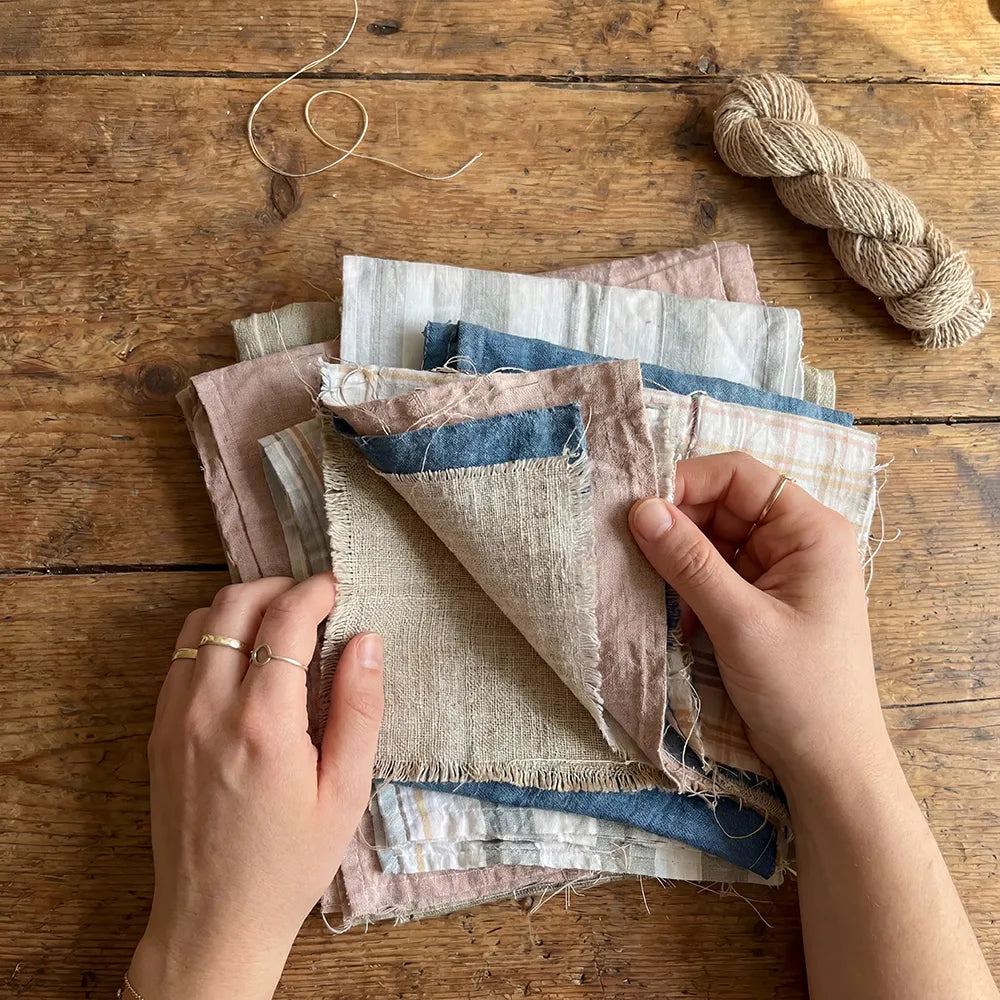
We've Started Designing Again — A Founder's Note
Read article →about We've Started Designing Again — A Founder's Note
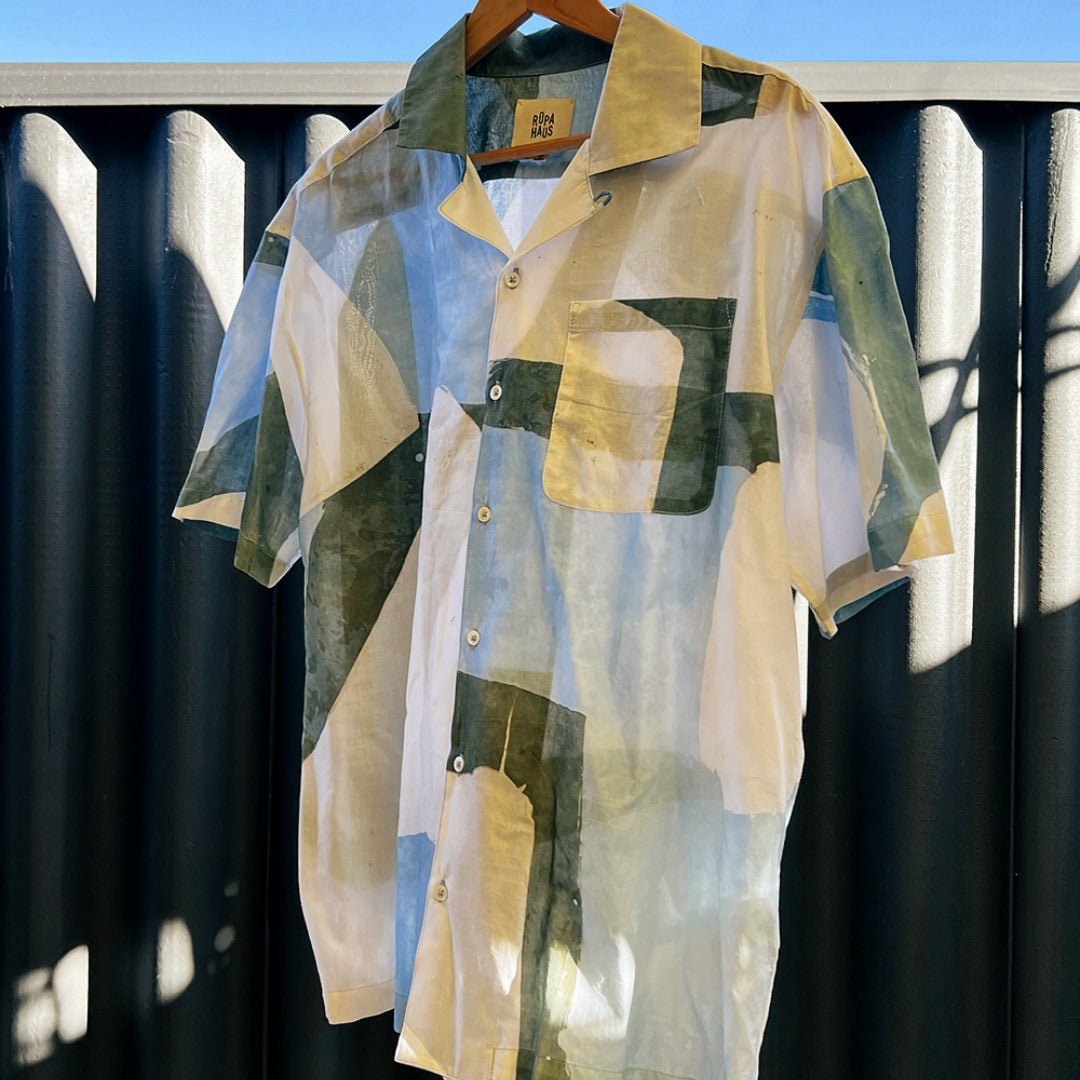
A Father's Day Edit, Without the Countdown
We're not doing a countdown this Father's Day. Here's what we're doing instead: three pieces, the story behind the cloth, and nothing that expires on Sunday.
Read article →about A Father's Day Edit, Without the Countdown
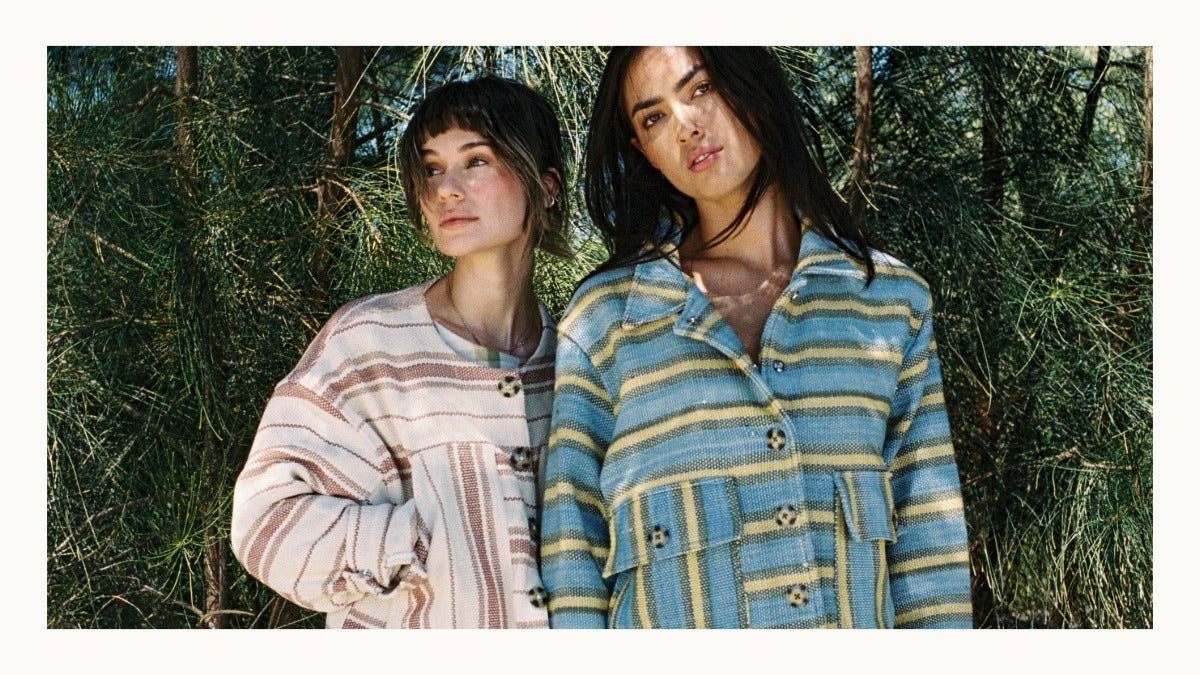
'One Size Fits All' Is a Lie (Sometimes)
Two jackets, two different relationships with your measurements — and neither is lying to you about it. The Gali is a genuine single cut. The Gwyn runs true to size across three bands. Here's how to check which is which before you order either.
Read article →about 'One Size Fits All' Is a Lie (Sometimes)
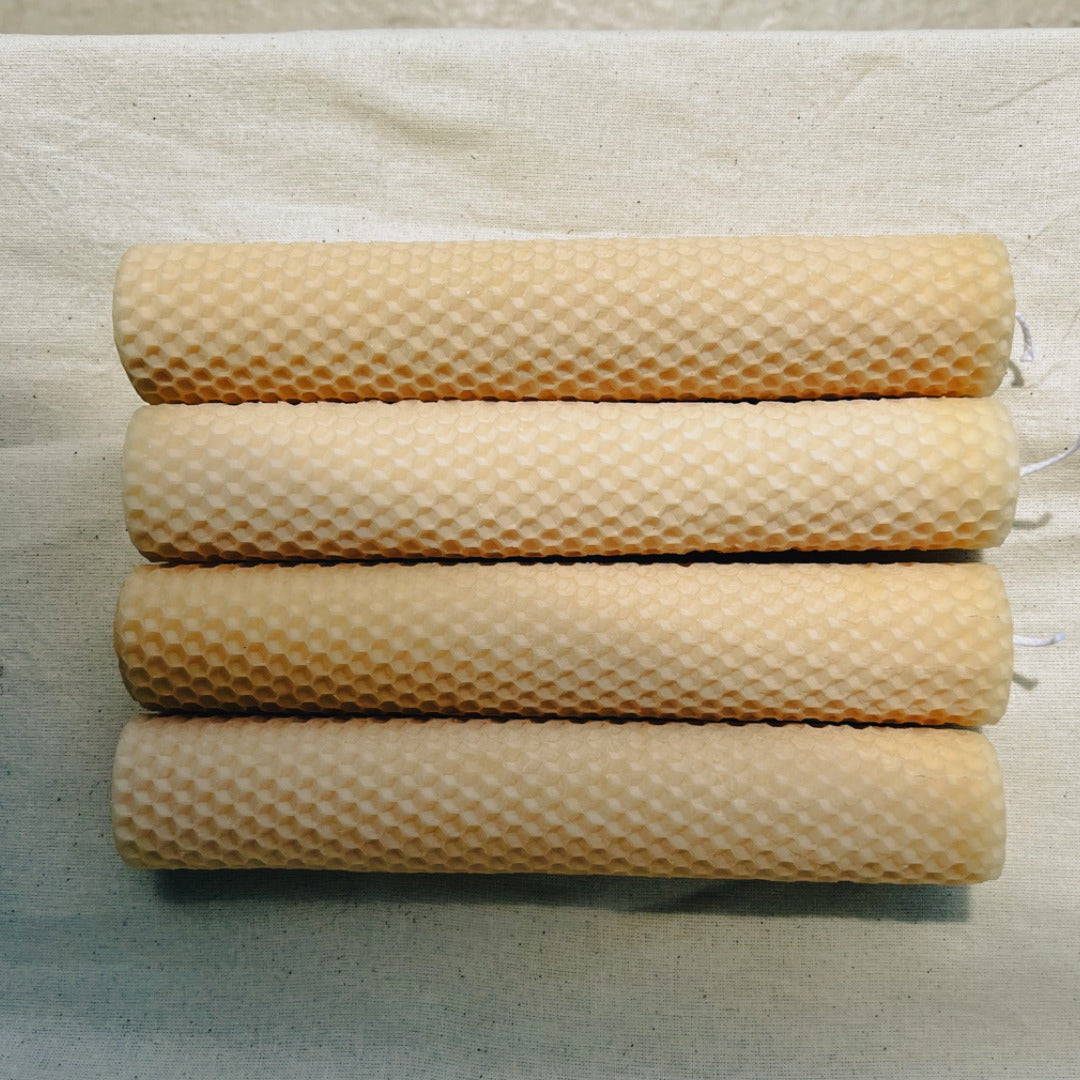
Trying to Be in More Rooms — Why We Joined Faire
An honest note about wholesale, and why now — starting with candles, not the clothing, and what changes for exactly no one who already shops here direct.
Read article →about Trying to Be in More Rooms — Why We Joined Faire