


RŪPA Journal
Explore the RUPA Journal — your go-to source for stories on sustainable living, ethical fashion, and artisan craftsmanship. Dive into behind-the-scenes insights, conscious lifestyle tips, and the journey of naturally hand-dyed textiles. Stay inspired and connected with our community of makers and changemakers.

Batik Tulis vs Batik Cap: What's the Real Difference?
Every batik piece we sell is hand-drawn, not stamped — wax laid on with a canting, one line at a time, which is why no two ever match exactly. On 2 October, National Batik Day, here's what actually separates that from the faster, stamped method, and why the slower one takes what it takes.
Read article →about Batik Tulis vs Batik Cap: What's the Real Difference?
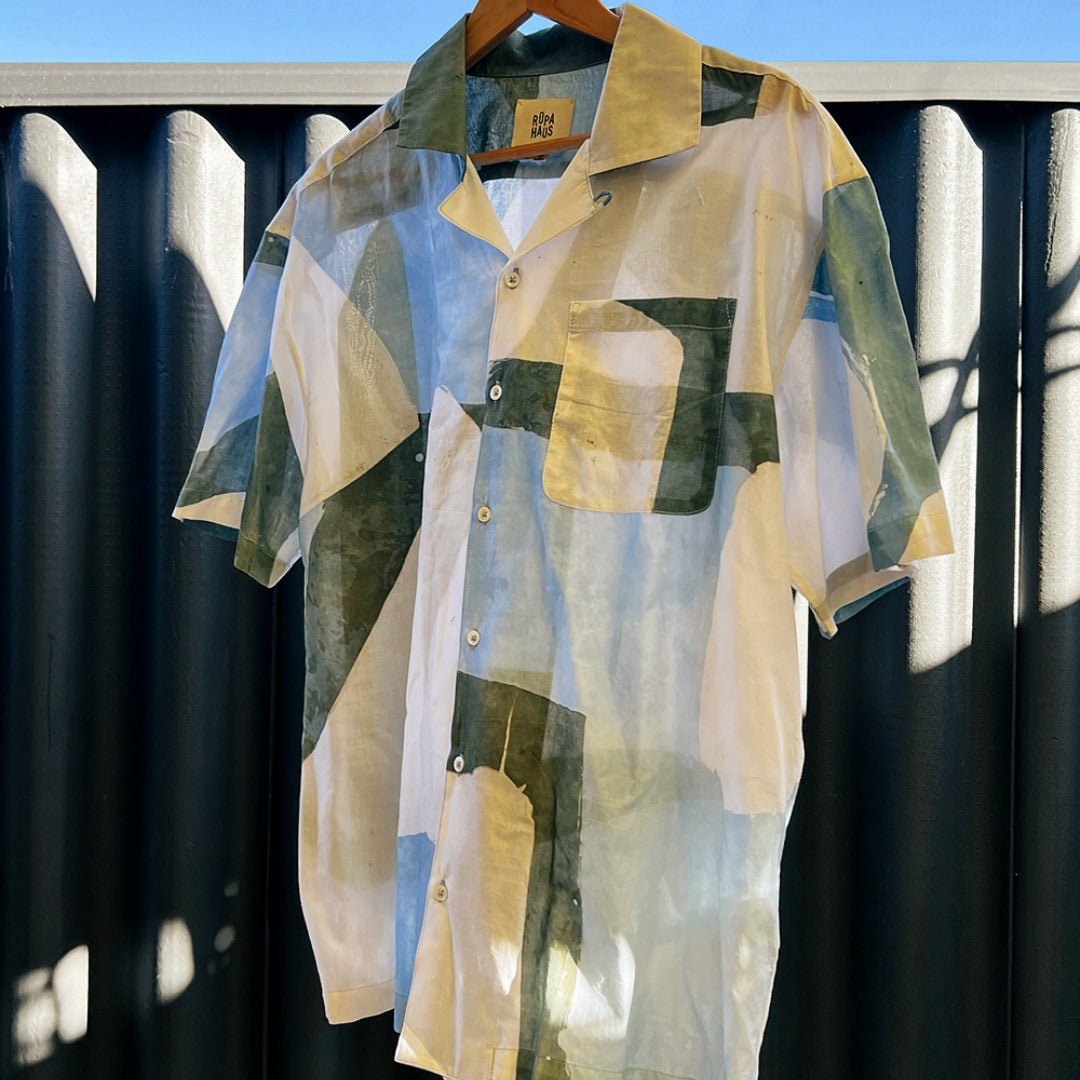
A Father's Day Edit, Without the Countdown
We're not doing a countdown this Father's Day. Here's what we're doing instead: three pieces, the story behind the cloth, and nothing that expires on Sunday.
Read article →about A Father's Day Edit, Without the Countdown

'One Size Fits All' Is a Lie (Sometimes)
Two jackets, two different relationships with your measurements — and neither is lying to you about it. The Gali is a genuine single cut. The Gwyn runs true to size across three bands. Here's how to check which is which before you order either.
Read article →about 'One Size Fits All' Is a Lie (Sometimes)
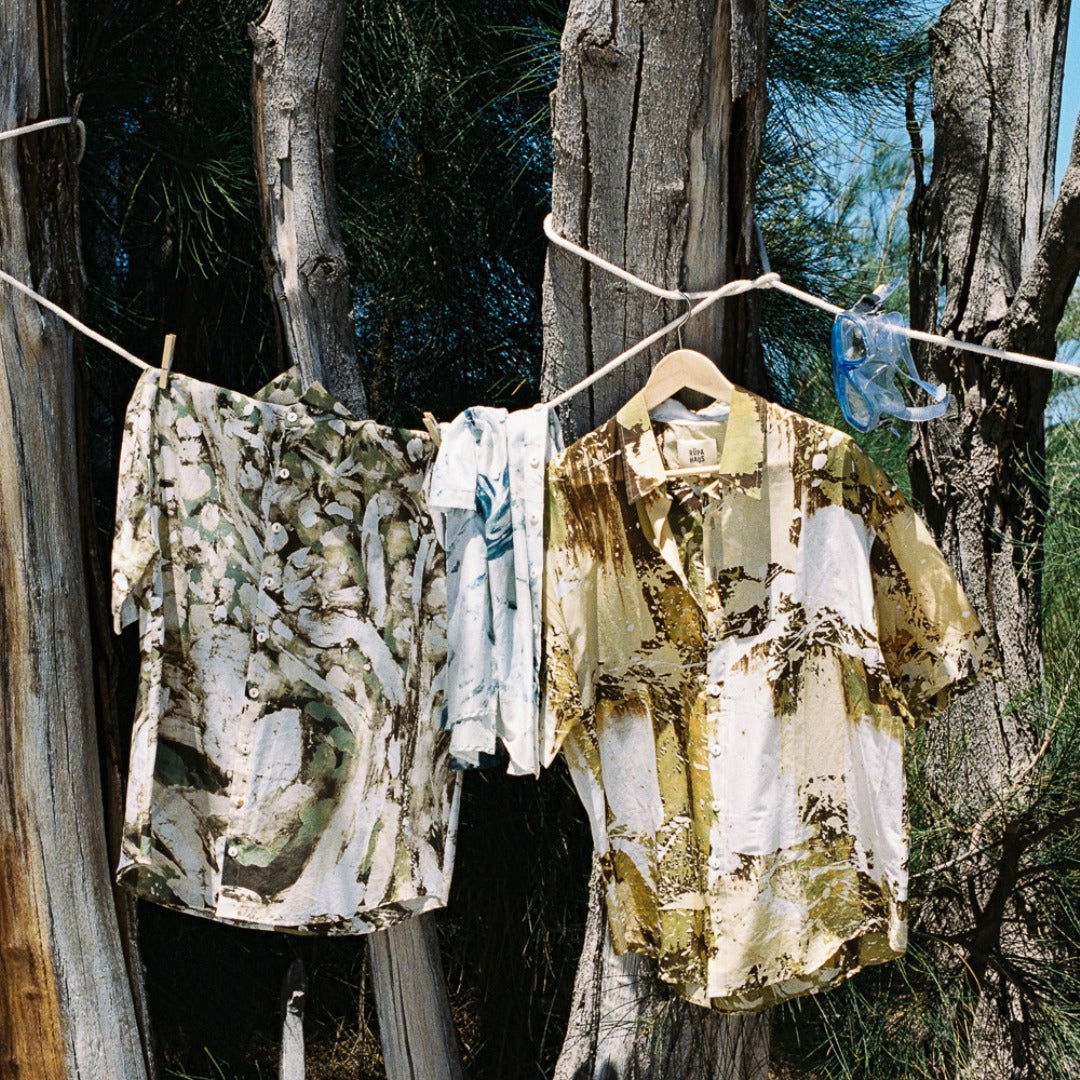
When the Fabric Is Gone — Why We Don't Reorder at RUPAHAUS
Read article →about When the Fabric Is Gone — Why We Don't Reorder at RUPAHAUS
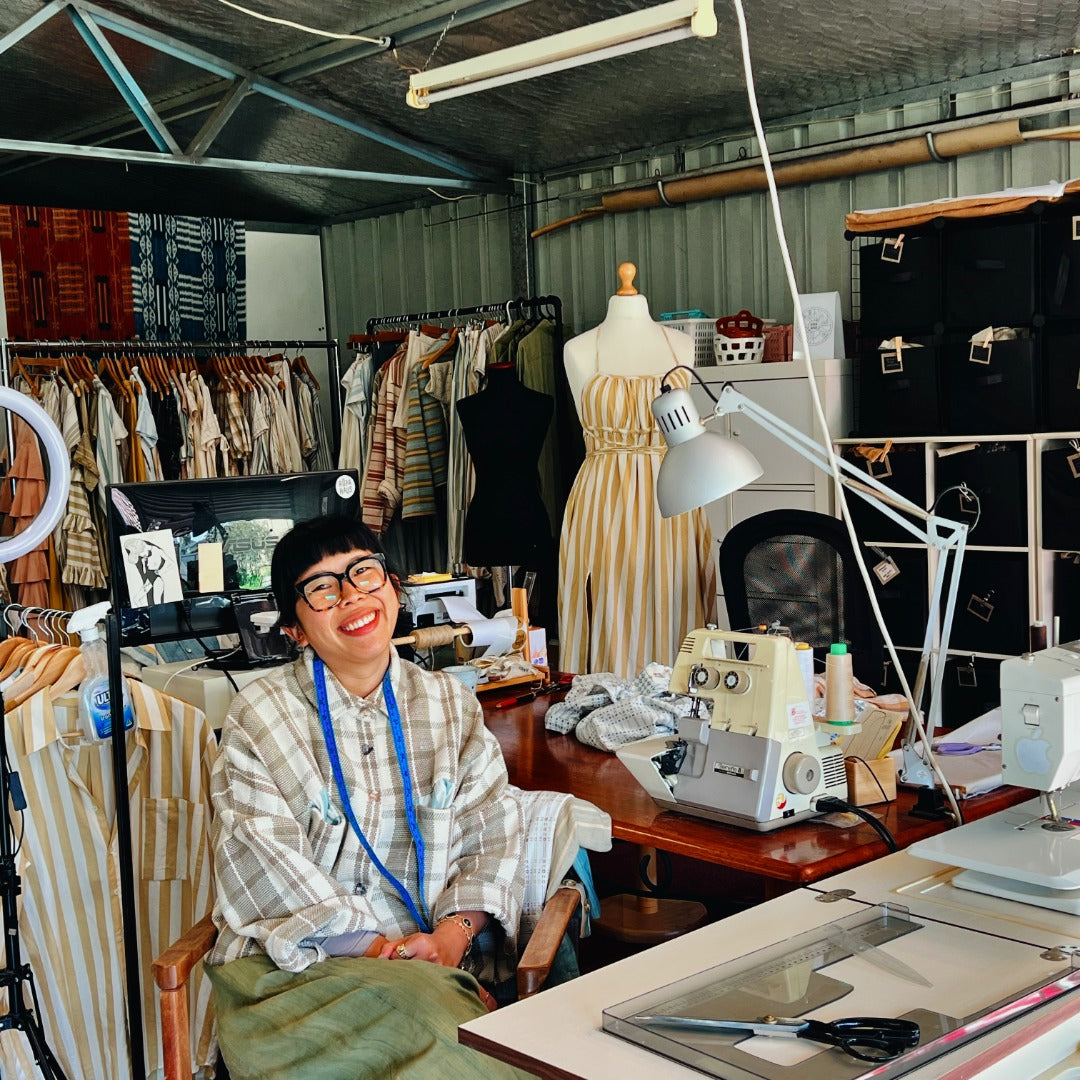
What does it actually take to run a small fashion brand?
A clothing brand is mostly the parts you never see. The cloth is maybe a third of it — the rest is the commercial decisions, the marketing and the in-person selling, spread across Indonesia, Perth and Melbourne. The honest map behind RŪPAHAUS.
Read article →about What does it actually take to run a small fashion brand?
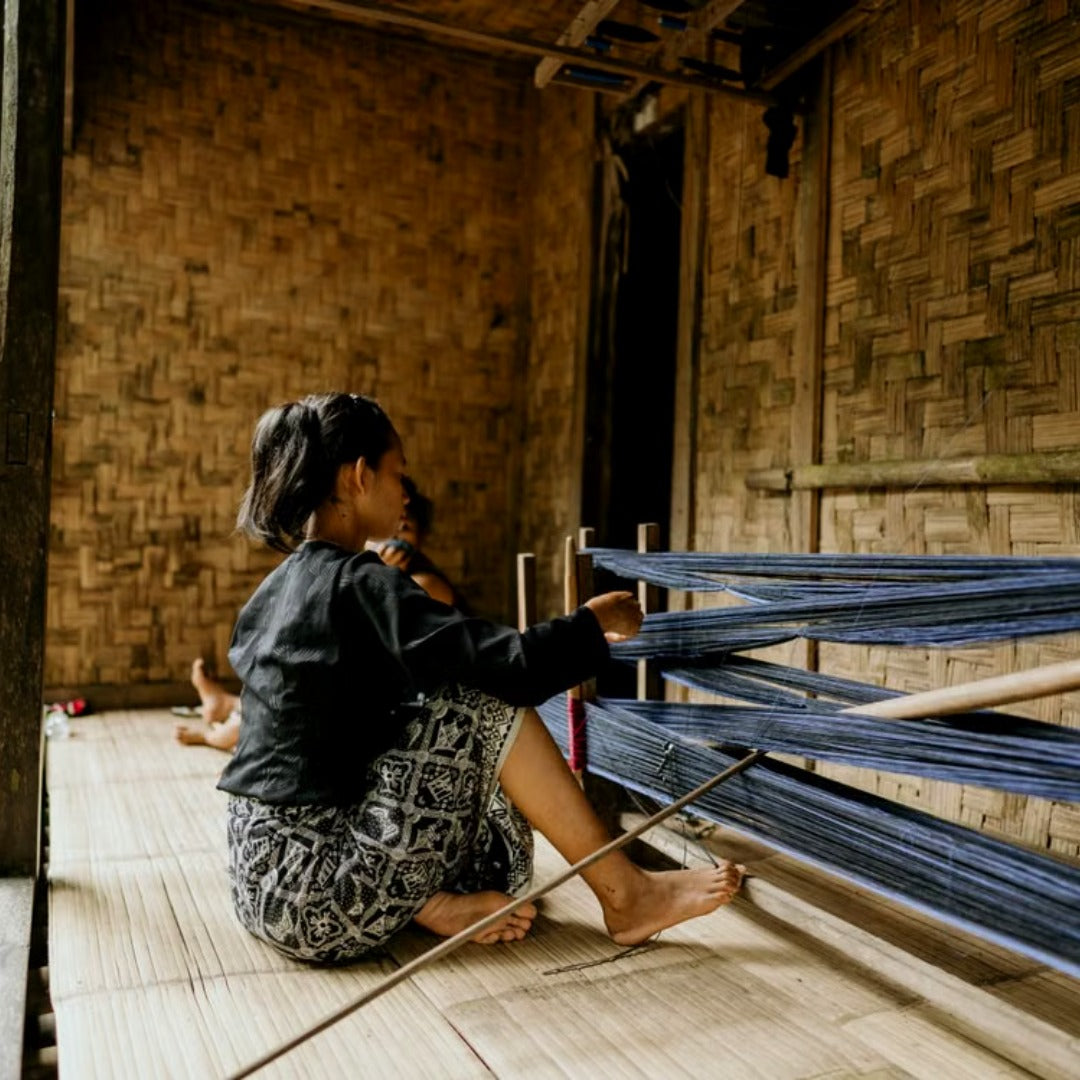
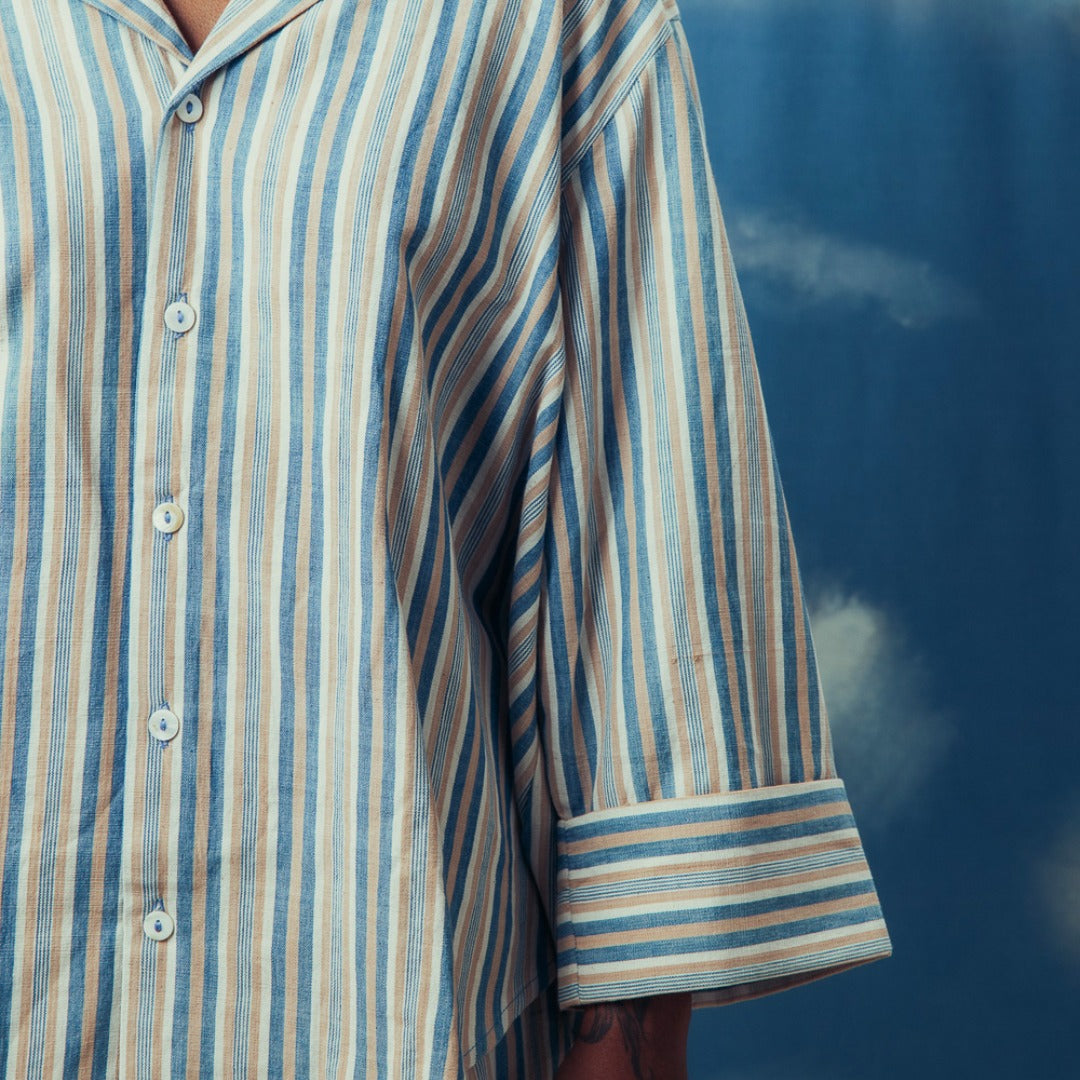
The Kanekes weave on backstrap looms under inherited rules that decide what they use and when they can work at all. We source from them only part of the year — and that constraint is exactly why the cloth is what it is. The fuller story, through Sid.
Why does handwoven cloth have knots?
Run your hand over handwoven cloth and it catches — a small knot here, the tension shifting there. Those marks aren't faults to apologise for. They're the record of a person at a loom, and the exact thing a machine is built to erase.