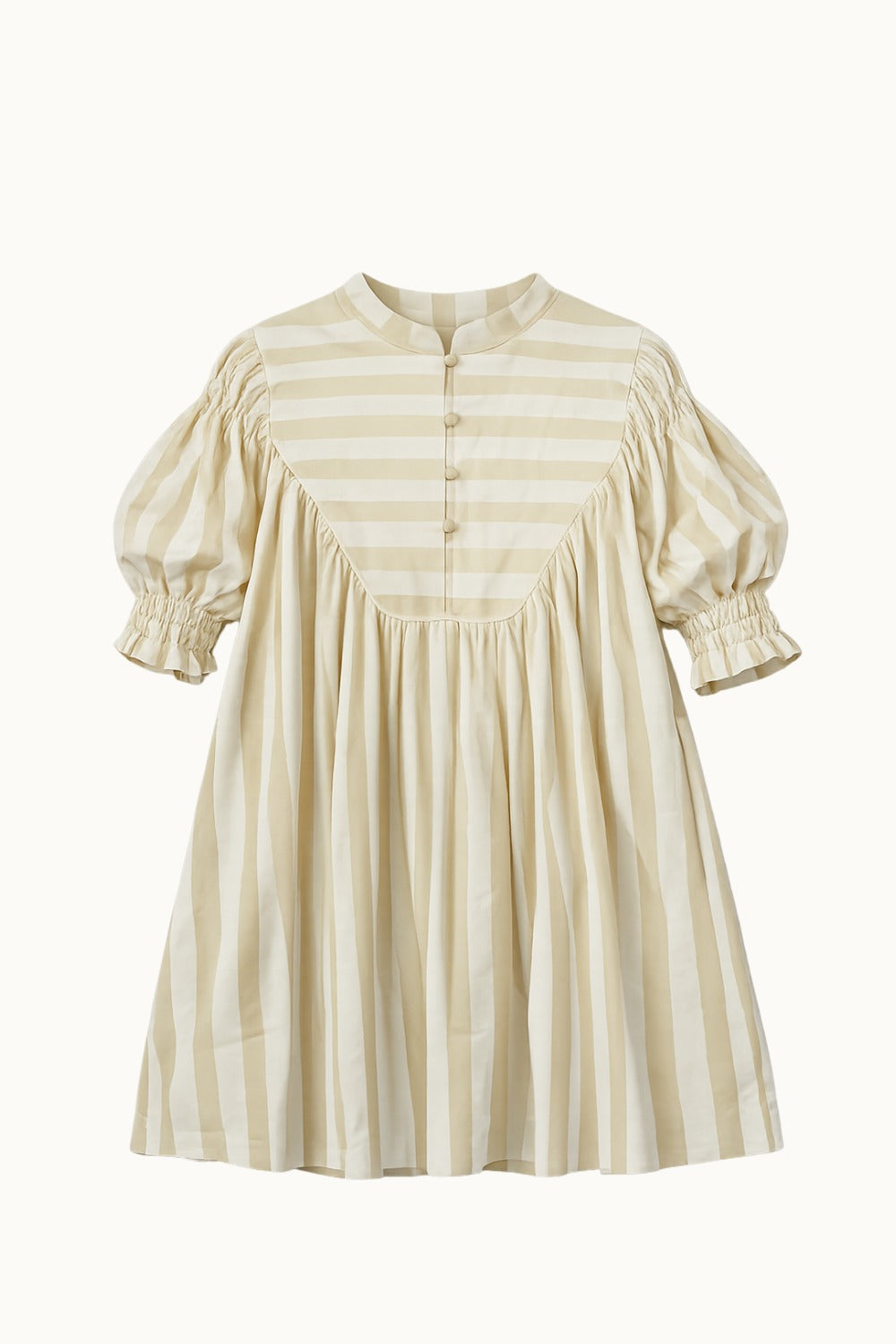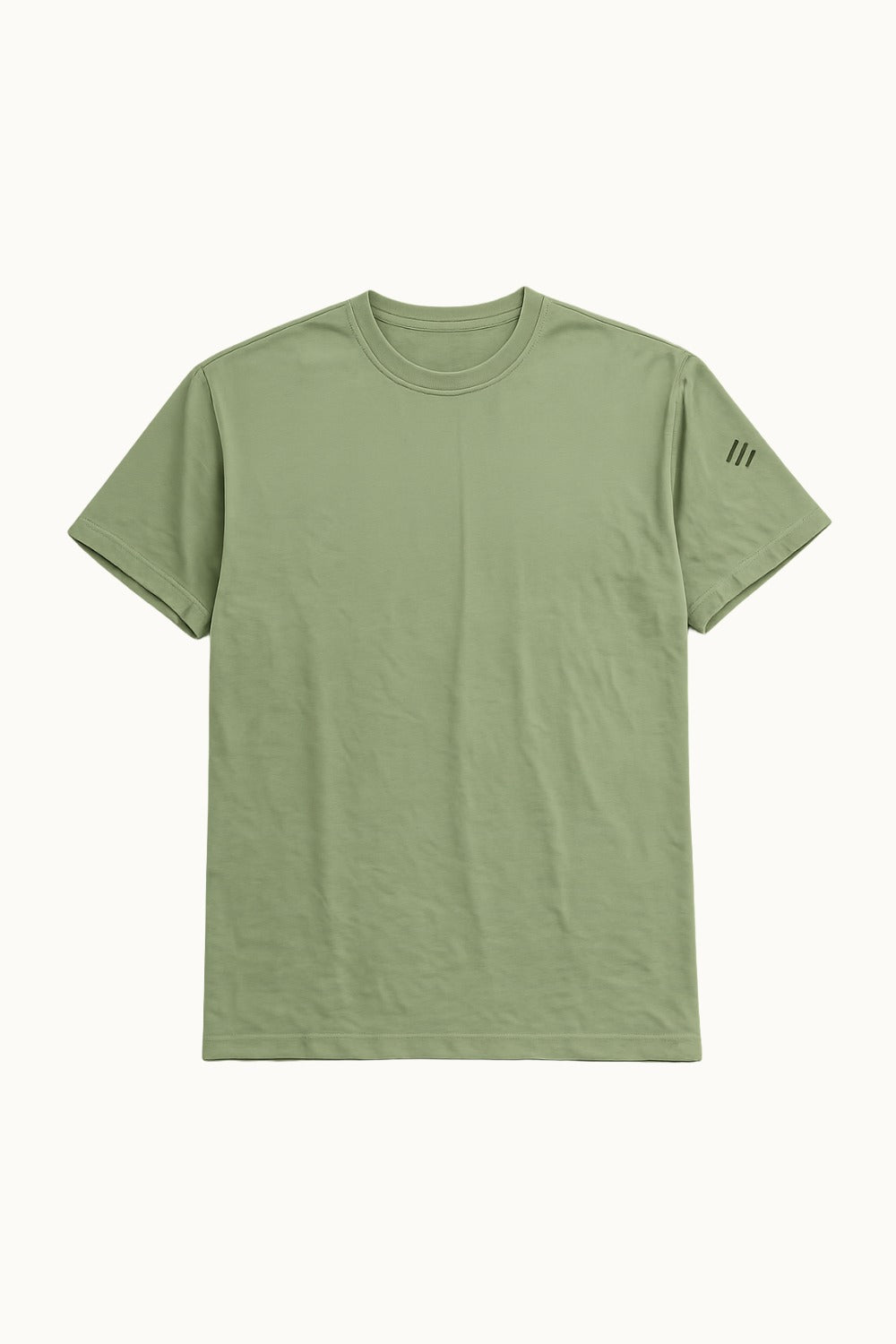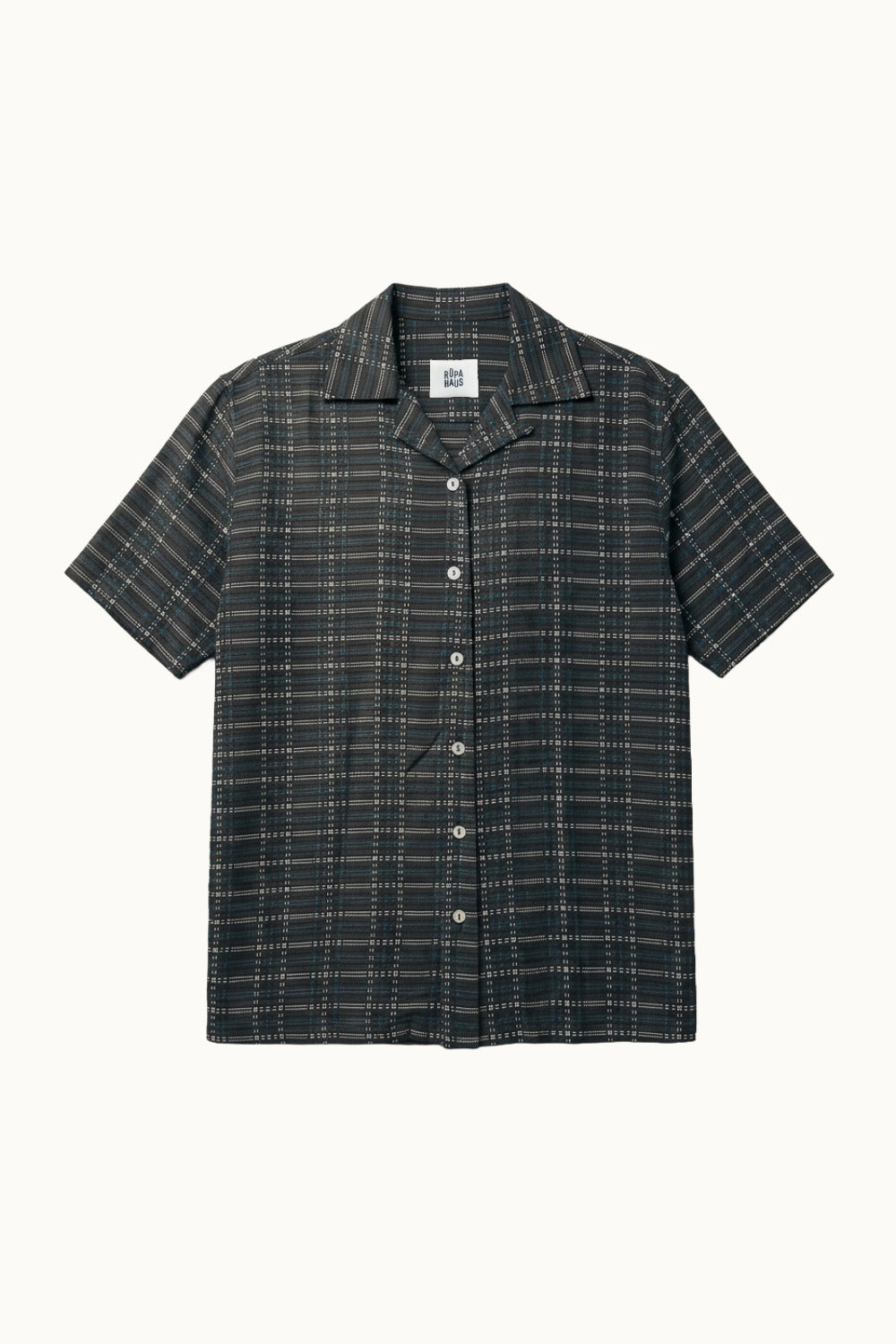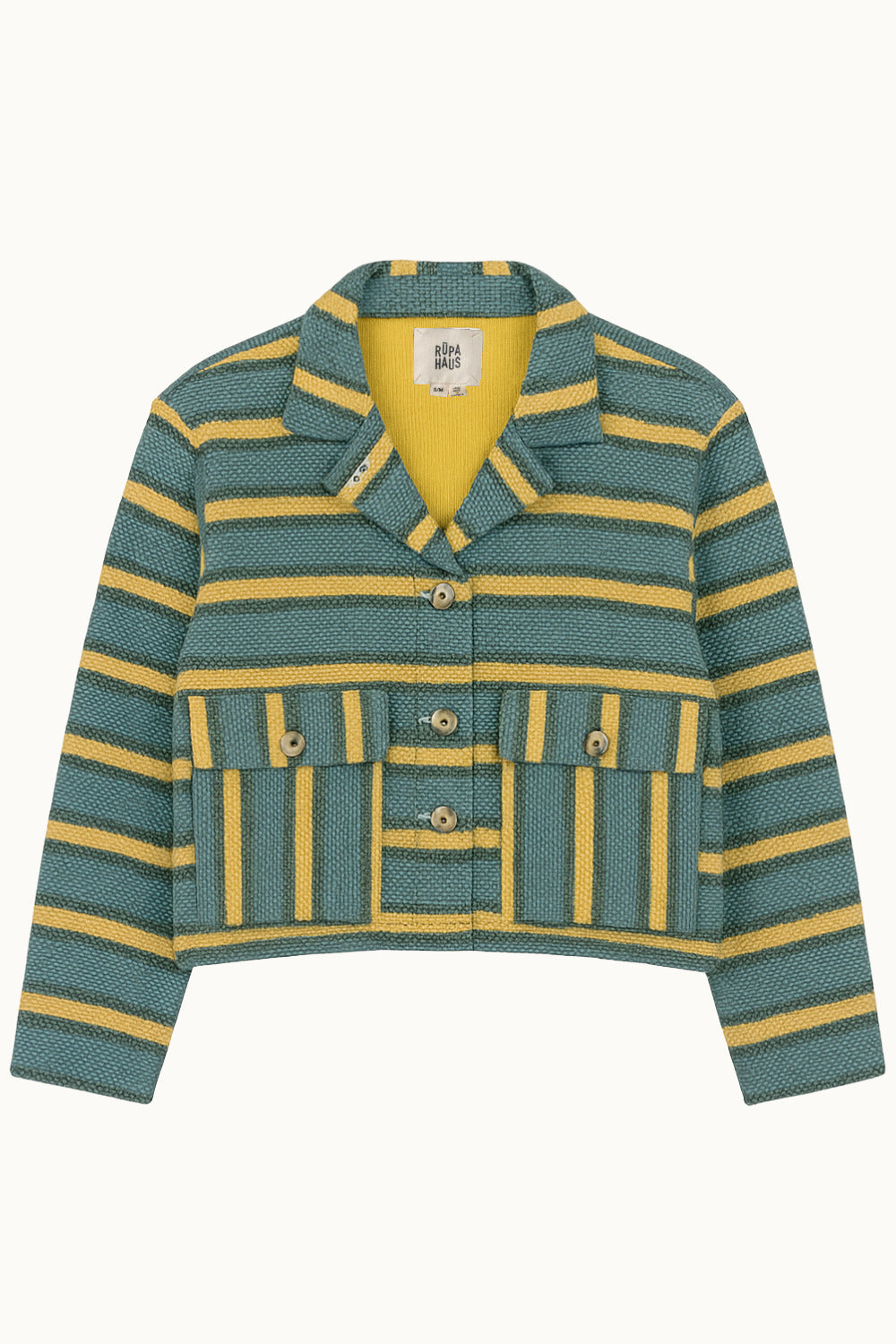



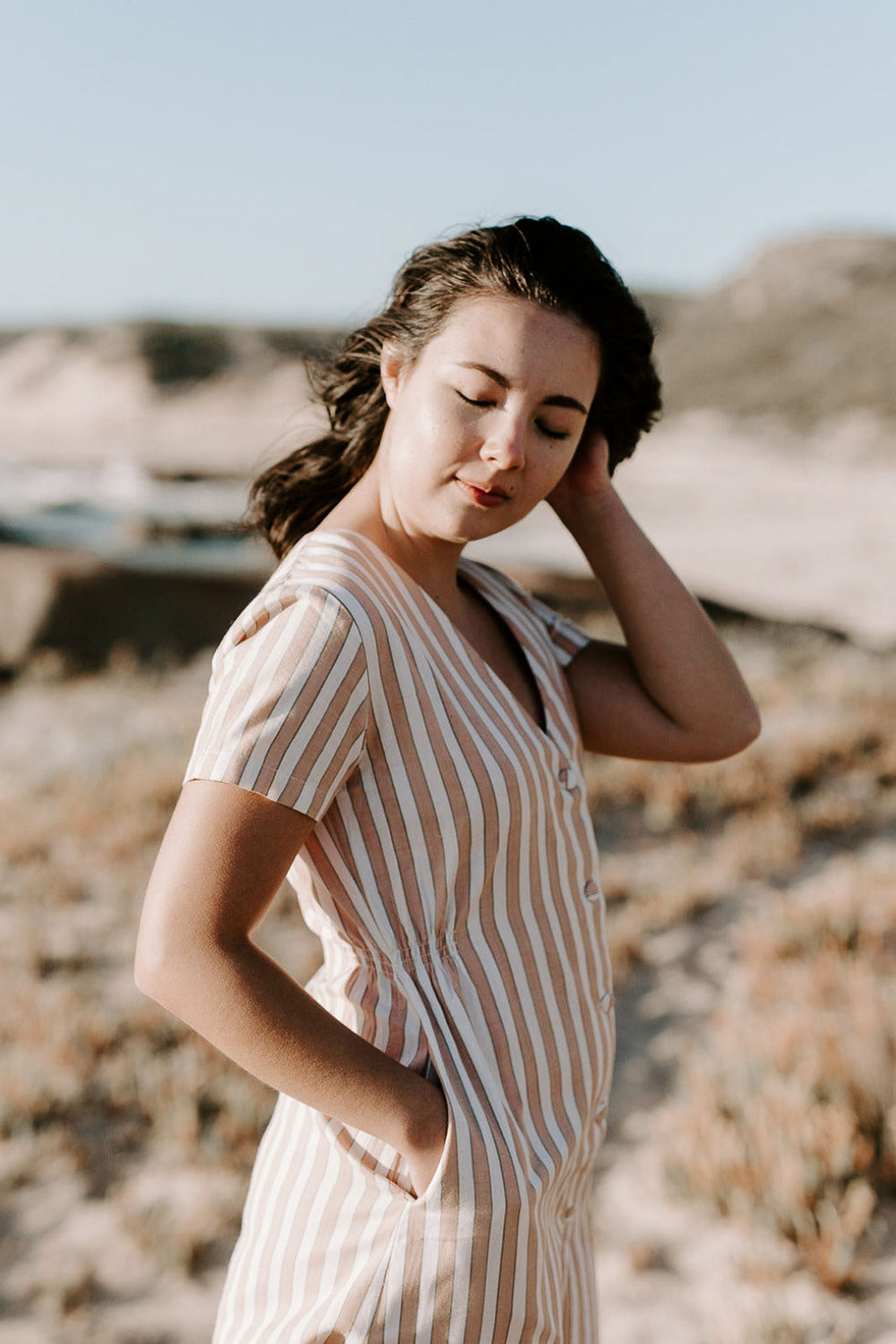
What does Clothing for Real Life mean?
Clothing for real life refers to garments designed for everyday movement, repetition, and longevity — prioritising comfort, natural fibres, and versatility over seasonal trends.
Real life is not a runway.
It is work, travel, heat, errands, rest, conversation, and return.
It is not styled once and archived.
It is worn often.
Designing for real life begins with how something is worn — not how it is launched.
- Breathable natural fibres
- Ease of movement
- Layer adaptability
- Structural durability
- Silhouettes that return, year after year
If you're reassessing your wardrobe, start with our guide on how many clothes you actually need for a real-life wardrobe →
Beyond Trends and Seasonal Cycles
Modern fashion cycles are built around novelty. But everyday life does not reset every three months.
Trend-driven wardrobes often create decision fatigue, short wear cycles, and pieces that feel outdated quickly.
Clothing for real life behaves differently. It layers. It adapts. It settles into routine.

Comfort as Foundation
Breathable natural fibres regulate temperature.
Relaxed silhouettes move with the body.
Soft drape reduces tension rather than creating it.
When clothing does not demand adjustment, confidence follows.
Real Life includes Imperfection
Handwoven textiles carry variation. Plant dyes shift subtly. Natural fibres soften with time.
Real life does not remain static. Neither do the materials we wear.
These qualities are not defects — they are evidence of time and touch.
DESIGNED FOR REPETITION
A real-life wardrobe is built for return.
Seasonless design supports repetition through grounded tones, durable fibres, and adaptable silhouettes that remain relevant beyond novelty cycles.
Repetition is not reduction.
It is resilience.
Buying less. Wearing more.
Natural Materials for Everyday Wear
Natural fibres allow airflow, soften with wear, and age gradually rather than deteriorate abruptly.
Material choice shapes how a garment behaves over time — and whether it invites return.
In real-life dressing, materials are not decorative.
They are foundational.
Is clothing for real life the same as slow fashion?
Not exactly.
Slow fashion refers to production pace and ethical sourcing.
Clothing for real life refers to function and use.
Slow fashion can still produce garments that are rarely worn.
Clothing for real life begins with frequency.
Our approach integrates both — but use comes first.
If a garment is not worn often, it does not fulfil its purpose.
What makes a garment suitable for everyday wear?
A garment suitable for everyday wear must:
- Regulate temperature naturally
- Allow unrestricted movement
- Maintain structural integrity over time
- Integrate easily with existing pieces
- Age well rather than degrade quickly
Natural fibres such as cotton provide airflow and softness through wear.
Plant dyes mellow gradually instead of cracking or peeling.
Durability is not stiffness.
It is adaptability.
Can seasonless clothing still feel refined?
Yes.
Refinement does not require novelty.
It requires proportion, material integrity, and restraint.
Garments designed for real life can remain contemporary without trend dependency.
Clarity of line.
Balanced drape.
Material honesty.
That is refinement.
Wearable pieces rooted in slow craft.