

Not a slogan. Simply how it actually works.
What makes RŨPAHAUS different?
Handwoven, not manufactured
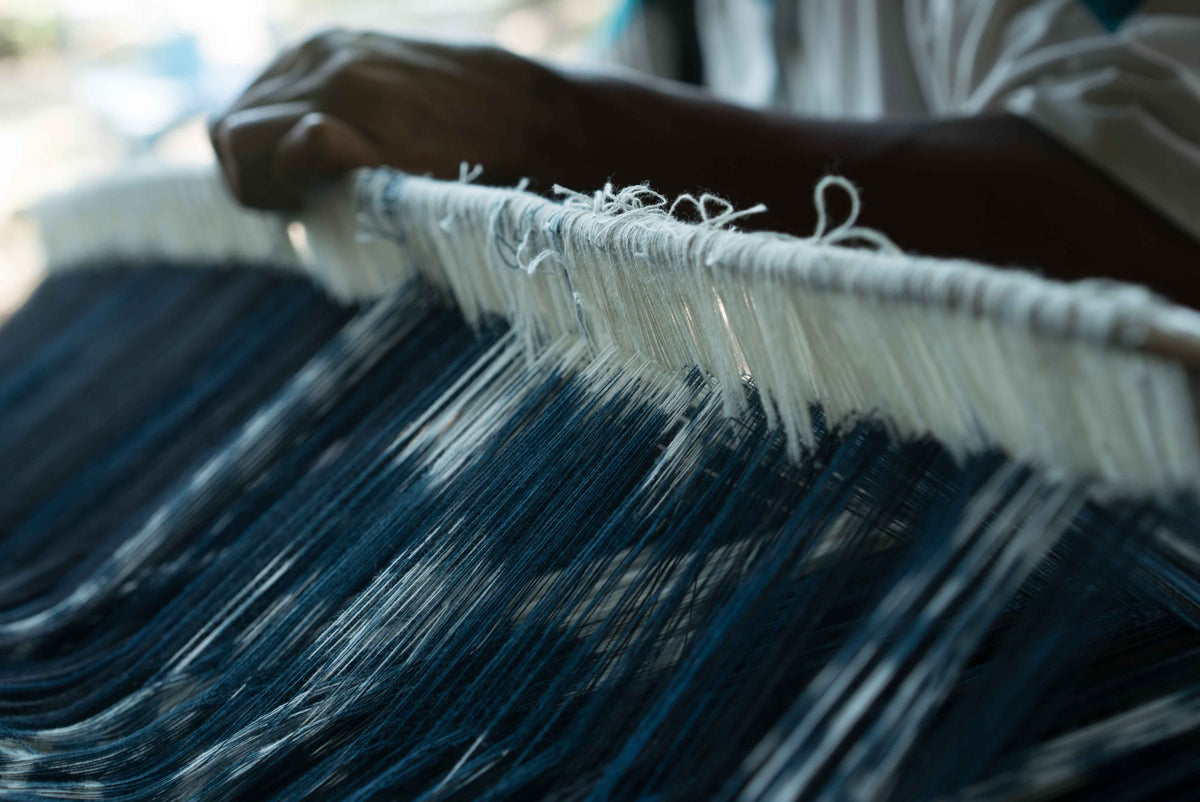
Every piece starts on a loom operated by a person, not a machine.
Named artisans, not anonymous factories
We tell you who made your piece and where — Lorek Weavers in Klaten, Mas Ta's batik atelier in South Yogyakarta, the Kanekes weavers three hours southwest of Jakarta, Pak Toto's bamboo workshop in West Java.
Partnership, not oversight
Our artisan partners set their own rates and timelines. We don't dictate production — we commission work and pay for it fairly.
Kept for years, not seasons.
Pieces are designed to be worn often and repaired, not replaced.
Small batch, not mass production
We produce in small quantities and follow natural production rhythms, not forecasted demand.
Kept for years, not seasons.
Pieces are designed to be worn often and repaired, not replaced.
The RŪPAHAUS Philosophy
WHAT DOES RŪPAHAUS STANDS FOR?
Every belief below follows from one decision: work with artisans as partners, not subcontractors. Everything else is what that decision looks like in practice.
01 — Variation is Evidence, not error
No two pieces are identical because a person made them, not a machine. That's not a flaw in the production — it's proof of it.
02 — Partnership over saviourism.
We work directly with artisan communities as independent partners, not as a supply chain we manage from above.
03 — Natural rhythm over forecasted demand
We produce what real human capacity allows, not what a sales forecast asks for.
04 — The dye goes back to the land
Every dye is drawn from the artisan community's own locality: bark, leaves, and roots gathered where the dyeing happens, and gentle enough to return to that same ground without harming it. Water Primrose, Sappan wood, and Mahogany bark are real examples across the range
05 — Nothing wasted, including offcuts
Leftover yarn — bobbin ends, offcuts, runs that didn't get used — goes back into new pieces through variation-led design, not the bin.
06 — Kept, not discarded
Through re:RŪPA, you can return a garment at the end of its usable life for repair, repurposing, or recycling.
Trusted by People Who Wear It
Why do people keep coming back?
The greatest compliment we receive isn't a five-star review. It's hearing that we've become the brand people reach for, day after day.
In their words
As Seen In


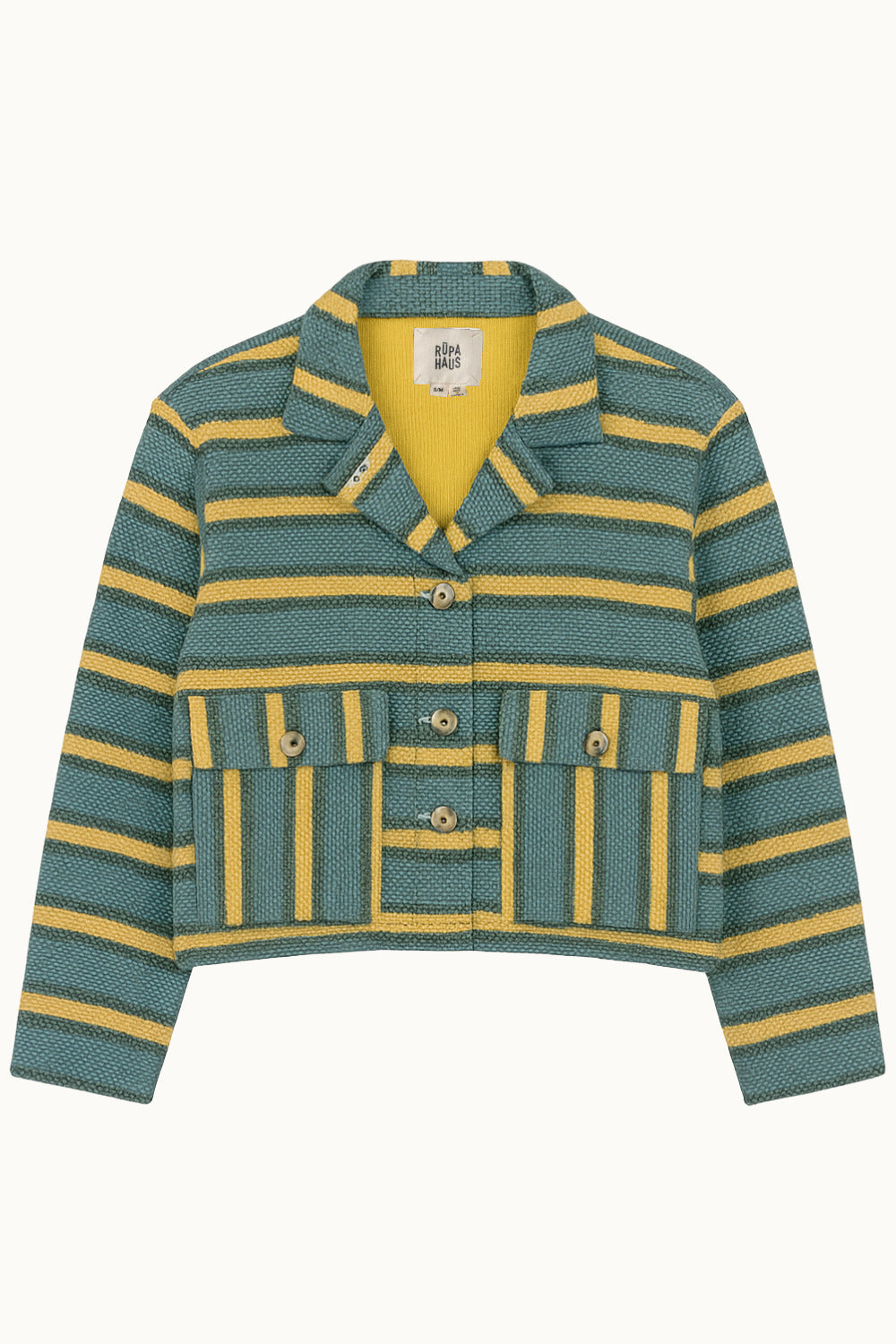
Wearable pieces rooted in slow craft.
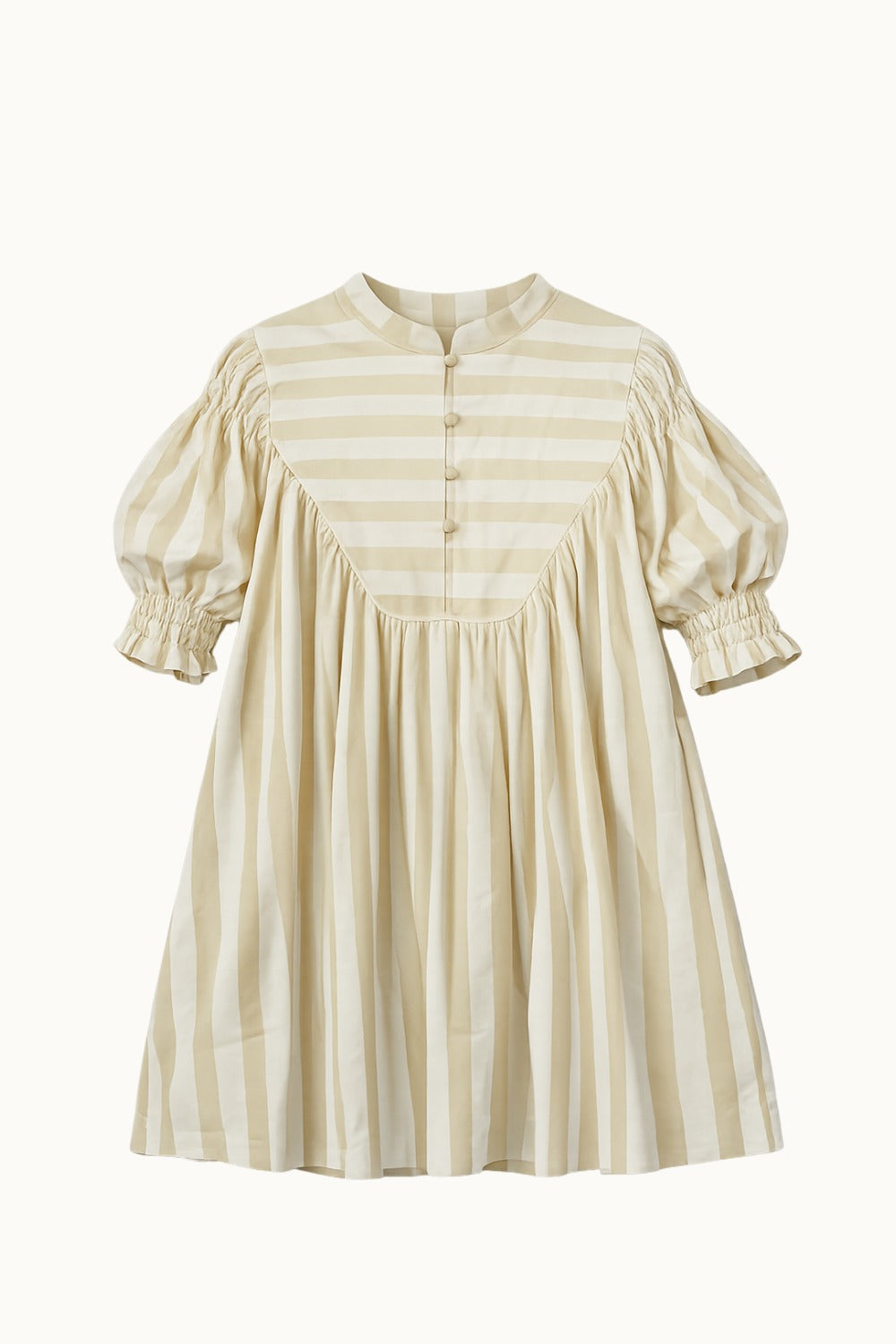
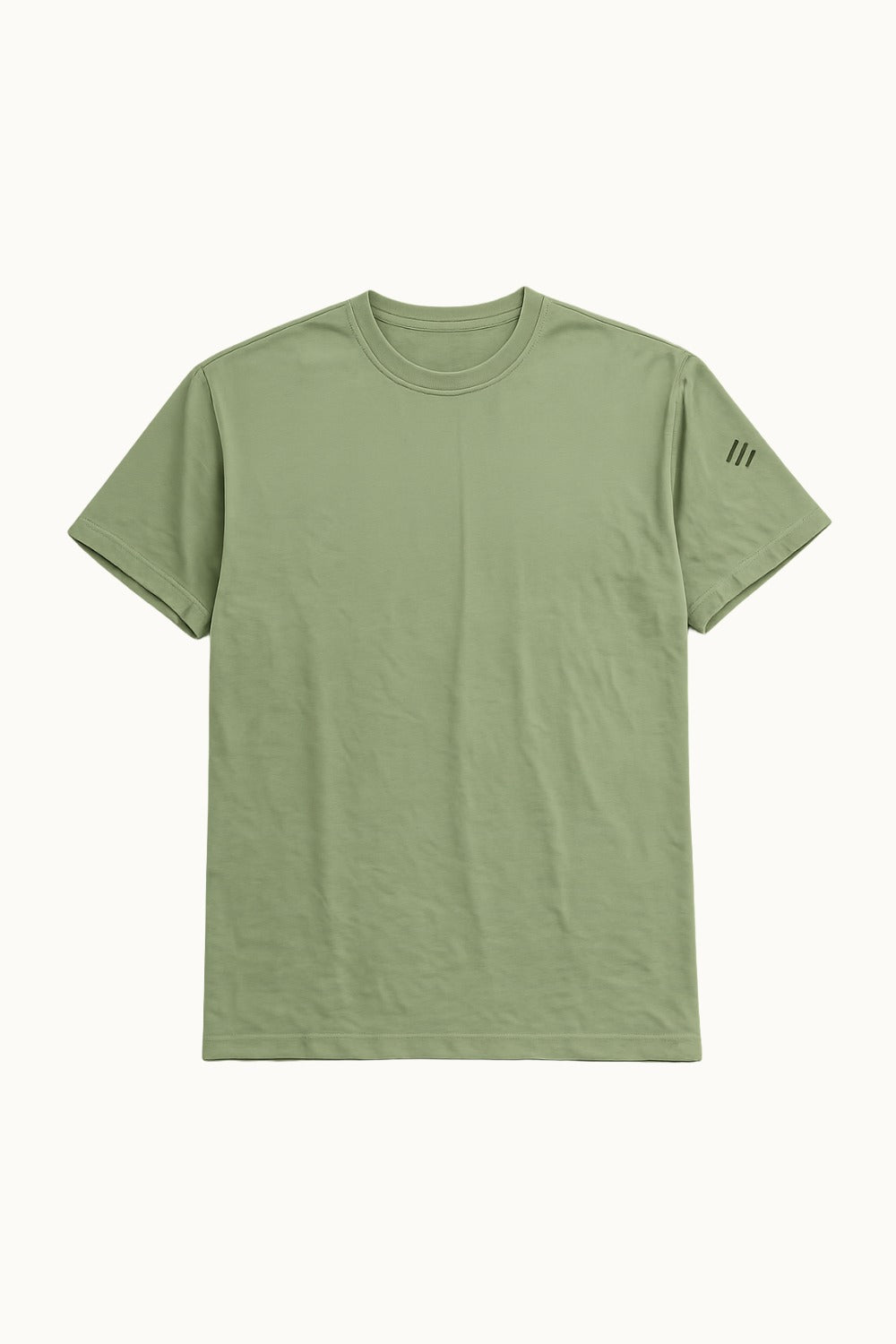
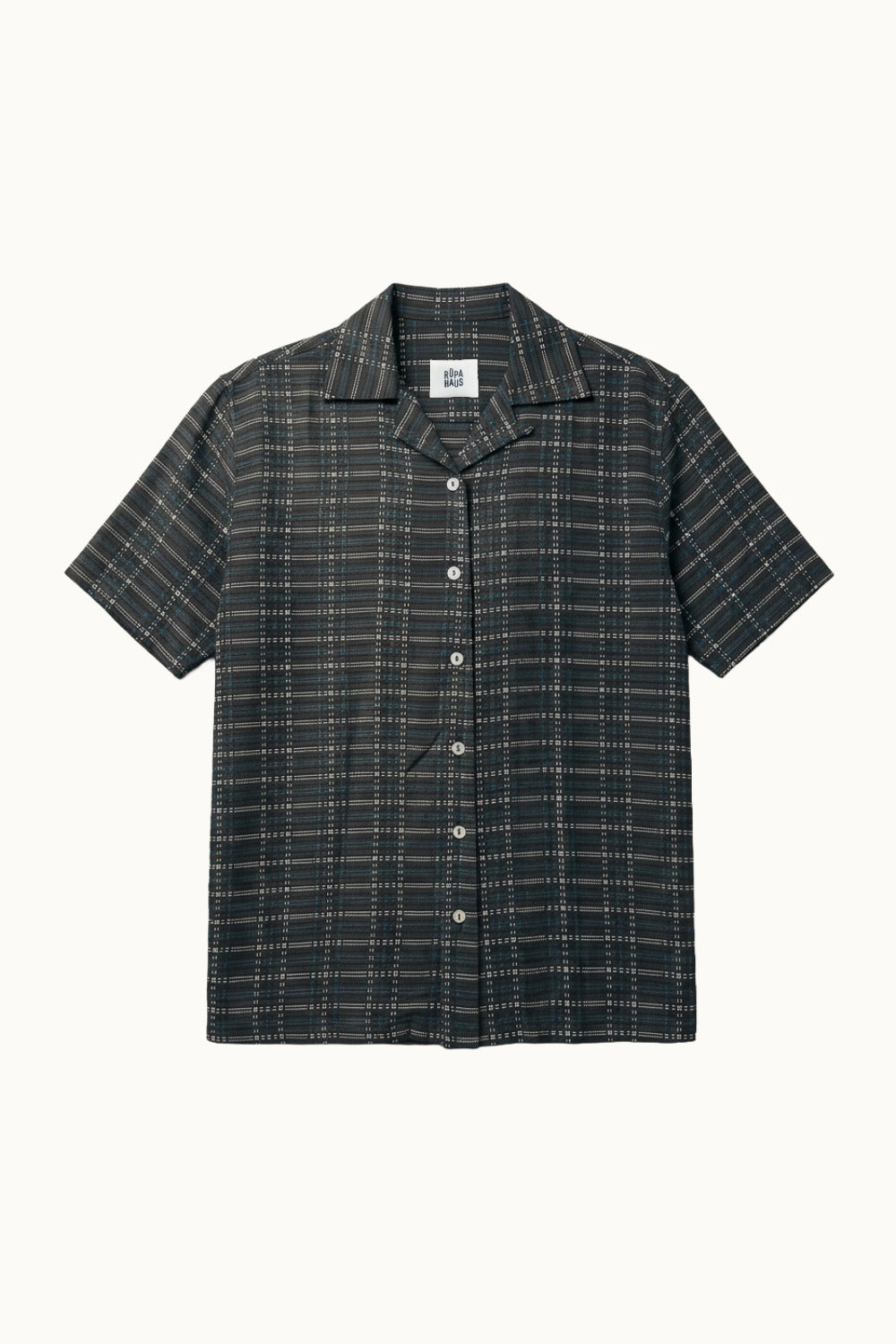
Our Seasonless Wardrobe
FAQ
Everything you'd want to know about RŪPAHAUS. Still have more questions? Contact us at customercare@rupahaus.com.
Is the colour variation between pieces intentional?
Yes. Every piece is handwoven or hand-dyed, and the people making them are people, not machines — yarn placement, dye batches, and weaving tension all shift slightly between pieces.
That's not inconsistency; it's the record of who made it.
Where is everything made?
Across Java and East Sumba in Indonesia (weaving, batik, ikat, pottery), and Perth, Western Australia (beeswax candles).
Every product page names the community that made it.
What happens at the end of a garment's life?
Through re:RŪPA, you can return it for repair, repurposing, or recycling rather than throwing it out.
Why does handwoven cost more than fast fashion?
Because a person, not a machine, made it — and that person was paid on average six times the local minimum wage to do it.
How do I find my size?
Handmade cloth isn't graded like factory cloth — panel widths and hand-finishing can shift a centimetre or two piece to piece.
Measure against your own body rather than relying on a label, and size up if you're between sizes for a relaxed, easy fit.
See our Sizing & Measurement page for more details.
How do I care for a naturally dyed piece?
Wash it separately for the first three cycles, in cold water with a pH-neutral detergent. Line dry in the shade, inside-out, to protect the colour.
Natural dyes age gently over time, the way natural fibres do — that's part of what you're buying, not something to prevent. Read more on how to care for naturally dyed pieces on our Care page and blog.
Why does handwoven cost more than fast fashion?
Full-priced items can be returned within 14 days of delivery for an exchange or store credit — sale items are final. Exchanges within Australia are free on orders over $250.
Keep Exploring
Where would you like to explore next?
Whether you're ready to shop or simply want to learn more, here are a few places we'd recommend next
Why Natural Materials & Plant Dyes
Discover why RŨPAHAUS chooses handwoven natural materials and plant dyes, and how it creates wearable and homeware pieces that's longer-lasting and responsibly made.
FInd Your Everyday RŨPAHAUS
Not sure where to begin? Explore our most-loved collections and discover the pieces customers wear on repeat.
Shop the Collection
Ready to experience RŨPAHAUS for yourself? Browse our complete collection of timeless wardrobe and homewares.
Made by hand. Kept for years.
For us, seasonless clothing is not a trend category.
It is a way of maintaining continuity — in craft, in partnership, and in everyday life.
Wearable pieces rooted in slow craft.
Made to be worn often. Made to be kept.