



Cost per wear shifts the focus from price to longevity, asking not what a garment costs today, but how often it will be worn over time. Instead of asking “How much does this cost?”, the better question is:
How many times will I realistically wear it?
Cost per wear is calculated as:
Garment Price ÷ Total Number of Wears = Cost Per Wear

When garments are designed for repetition — across climates and contexts — they deliver lower long-term cost, reduced waste, and greater wardrobe stability.
This guide explains how to calculate cost per wear, why repetition signals alignment, and how seasonless design supports long-term value.
For structural wardrobe foundations, explore seasonless clothing and repeatable wardrobe design →
What Is Cost Per Wear Clothing?
Cost per wear is a calculation used to measure the long-term value of clothing. It divides the purchase price of a garment by the total number of times it is worn. The more frequently a garment is worn, the lower its cost per wear.
Formula:
Cost per wear = Purchase price ÷ Total number of times worn
Example:
A $180 garment worn 200 times has a cost per wear of $0.90.
Unlike upfront price, this calculation reflects:
• Durability
• Versatility
• Climate adaptability
• Repetition frequency
A garment that costs more initially may cost less over time if worn consistently.
Why Price Alone Is Misleading
Fast fashion pricing often appears attractive because the initial cost is low.
However:
If a $40 garment is worn five times, its cost per wear is $8.
If a $180 garment is worn 200 times, its cost per wear is $0.90.
The second garment offers greater long-term value. Repetition reduces financial waste. It also reduces production turnover.
A Practical Example: The Cotton Dress
Consider a handcrafted breathable cotton dress.
Price: $180
Worn 40 times per year
Kept for 5 years
Total wears: 200
Cost per wear: $0.90

If the garment adapts across:
• Summer (worn alone)
• Transitional weather (layered with knitwear)
• Cooler climates (paired with coat and boots)
Its versatility increases wear frequency.
Explore seasonless pieces designed for repetition →
The 5-Year Garment Model
To evaluate realistically, use a 5-year projection.
Ask:
-
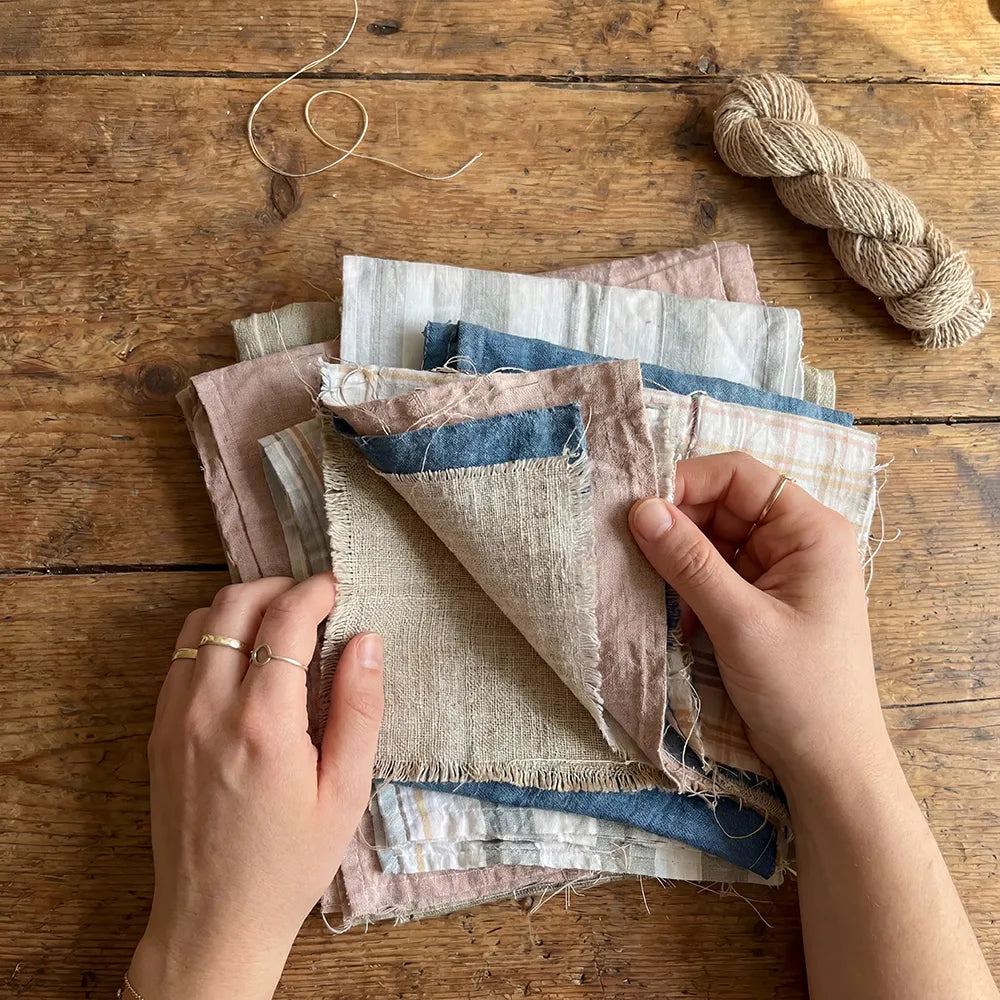
Is the fibre durable? Durability often begins with fibre choice. Natural fibres and plant dyes influence how garments age, soften, and maintain structure over time.
-
Does the silhouette depend on trends?
-
Can it layer across temperatures?
-
Will the colour remain cohesive within my wardrobe?
-
Does it suit my weekly movement?
If the garment satisfies these, 150–250 wears over five years is realistic.
Emotional Durability
Cost per wear is not only mathematical. It is psychological.
Emotional durability refers to:
• Comfort familiarity
• Confidence in fit
• Ease of styling
• Reduced decision fatigue
Garments that feel aligned are worn more often. When clothing feels effortless, repetition follows naturally.

Repetition as Sustainability
Repetition reduces:
• Consumption frequency
• Trend turnover
• Production demand
Reports across the sustainable fashion sector — including analysis by Good On You and Vogue Business — consistently highlight garment lifespan as a core impact factor.
Longevity matters more than novelty. Cost per wear is the behavioural expression of longevity.
Common Mistake: Overestimating Future Use
This often happens when wardrobes are built around imagined occasions rather than daily life — a pattern explored in dressing for real life.
Many purchases are justified by imagined scenarios:
• A future event
• A future version of self
• A trend moment
If a garment relies on hypothetical occasions, its cost per wear often remains high. Base your projection on past behaviour, not aspiration.
Understanding cost per wear becomes easier once you evaluate how many clothes you actually need in a practical wardrobe.
How to Use Cost Per Wear Before Buying
Before purchasing, ask:
• How often will I realistically wear this per month?
• Can it adapt across at least two temperature ranges?
• Does it integrate with five existing garments?
• Would I replace it if lost?
If the answers are unclear, reconsider.
Cost Per Wear vs Cheap Replacement Cycles
Low-cost garments often:
• Lose shape
• Pill
• Fade
• Depend on trend silhouettes
If replaced annually, the total long-term cost increases. In contrast, seasonless pieces stabilise replacement cycles.
Frequently Asked Questions
How do you calculate cost per wear?
Cost per wear is calculated by dividing the price of a garment by the number of times it is worn.
Example:
A $180 garment worn 200 times
= $0.90 cost per wear
The more frequently a garment is worn, the lower its cost per wear becomes.
Is cost per wear a good way to measure clothing value?
It is one of the most practical, but it should be paired with fibre quality and ethical considerations.
How many wears is realistic per year?
For frequently used garments, 30–50 wears per year is realistic. For foundational pieces, even higher.
Does cost per wear apply to occasionwear?
Yes, though projections should be realistic. If worn rarely, ensure emotional or functional value justifies it.
Can inexpensive garments have low cost per wear?
Yes — if worn frequently and maintained properly.
Closing Reflection
Cost per wear reframes the relationship between price and value. When garments are designed for repetition, they reduce both financial and environmental instability. The most sustainable wardrobe is not the cheapest. It is the most aligned.
For deeper structural guidance on building a repeatable wardrobe, explore seasonless clothing.
If you're building a wardrobe that lasts, start with the womenswear collection — pieces made to be worn often and kept long. Shop Womenswear →


Share:
How Many Clothes Do You Really Need? A Real-Life Wardrobe Audit
Natural vs Synthetic Fabrics: What Actually Matters?