

Ethics & Sustainability
How our clothing is made — responsibly, and by hand.


PEOPLE
Fair Work Practices & Partnerships
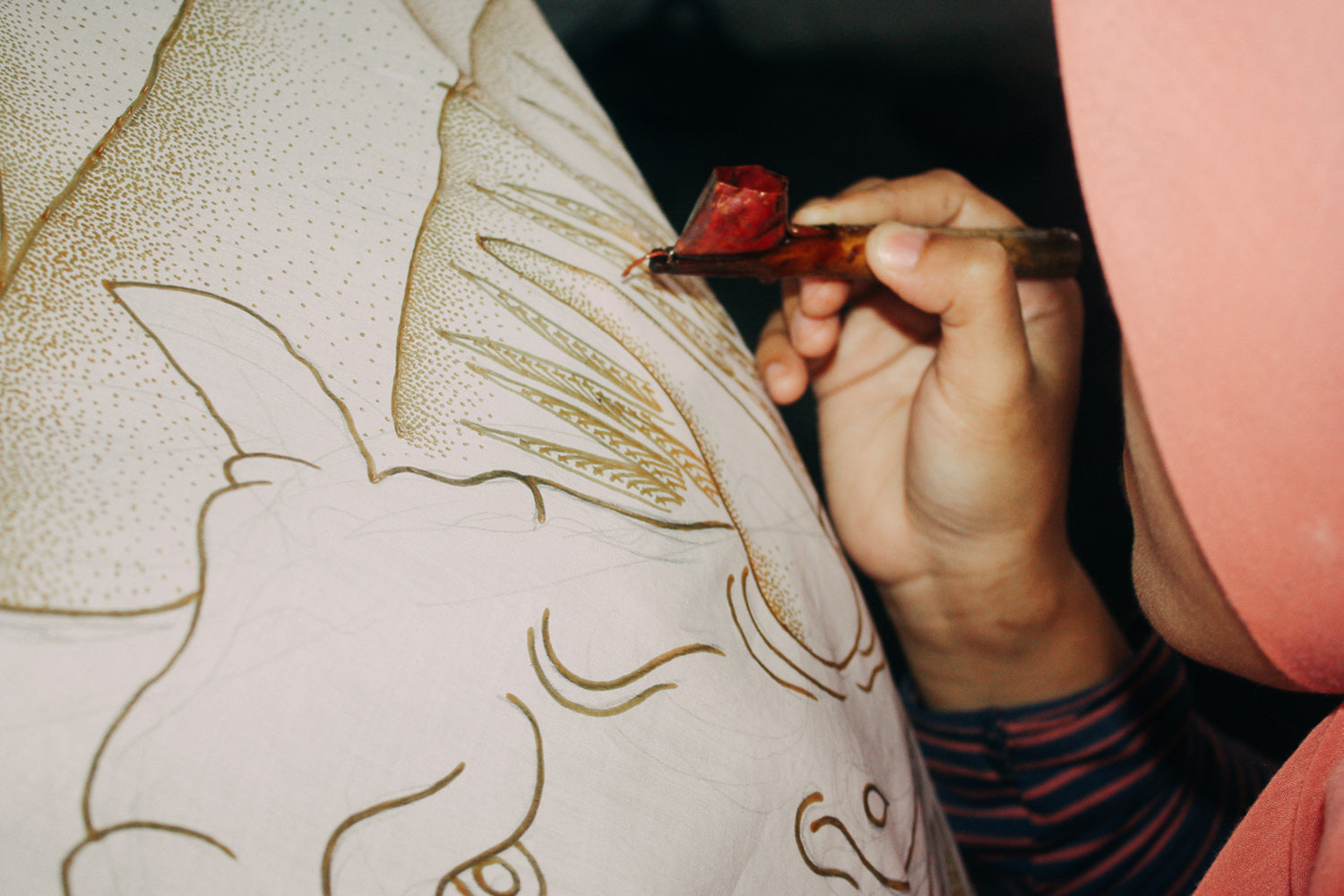
We work directly with artisan communities across Indonesia as independent partners – who set their own rates and timelines, retaining control over their craft and livelihoods.
Through transparent pricing and direct payment, our partners earn on average six times above local minimum wages.
Each year, 5% of our revenue is reinvested into the communities we work with.
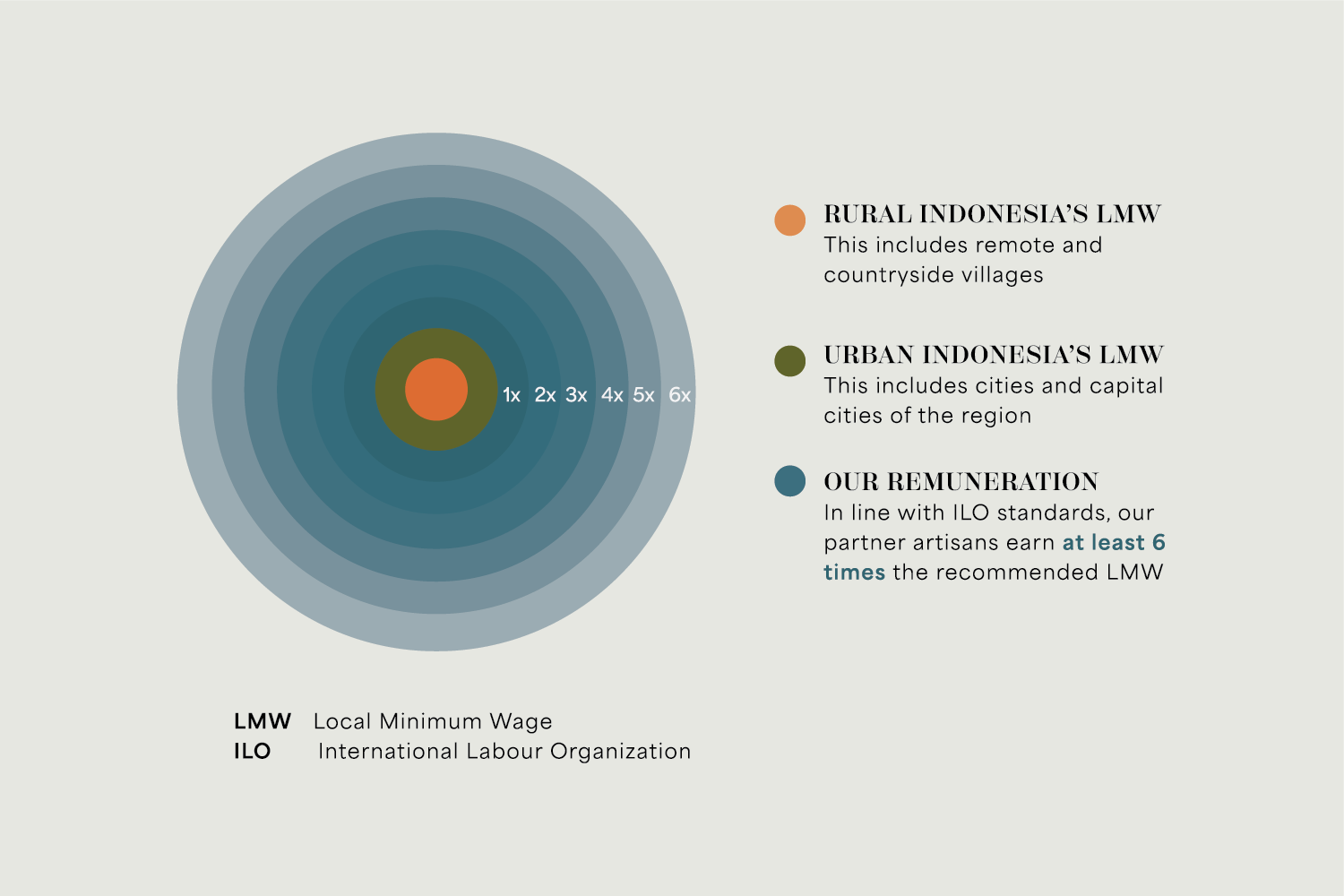
Legal Minimum Wage
Legal minimum wages in Indonesia are calculated using the Decent Living Needs Index (Kebutuhan Hidup Layak) and inflation rates.
We calculate an average across artisan regions and use this as our baseline for fair pay. We calculated the average from all of our artisans cities and use it as the baseline value.
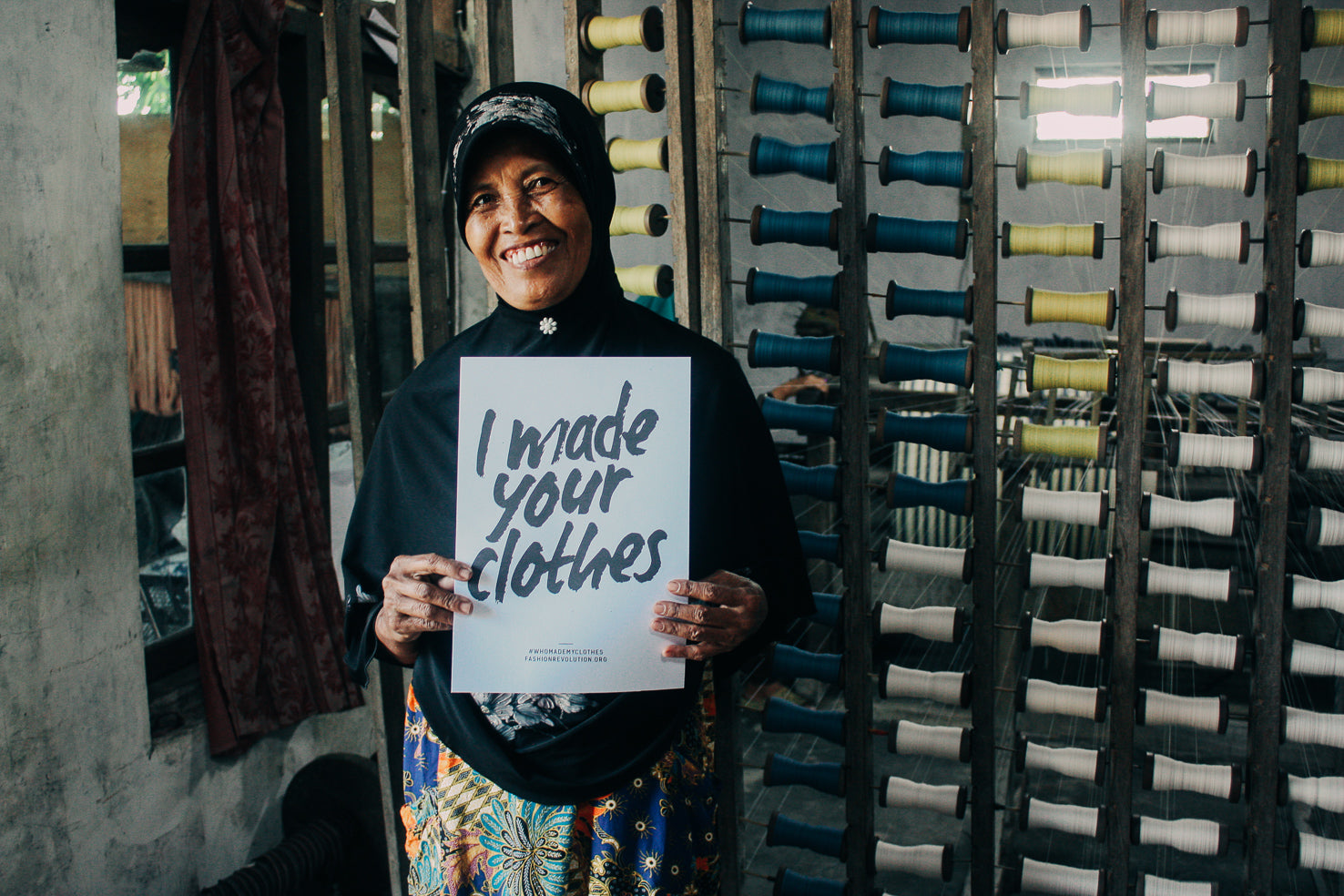
Creating Opportunity Through Craft
In rural Indonesia, home-based textile work allows women to earn fairly while balancing family life.
This supports independence, continuity of craft, and long-term opportunity — without requiring migration or factory work.
PLANET
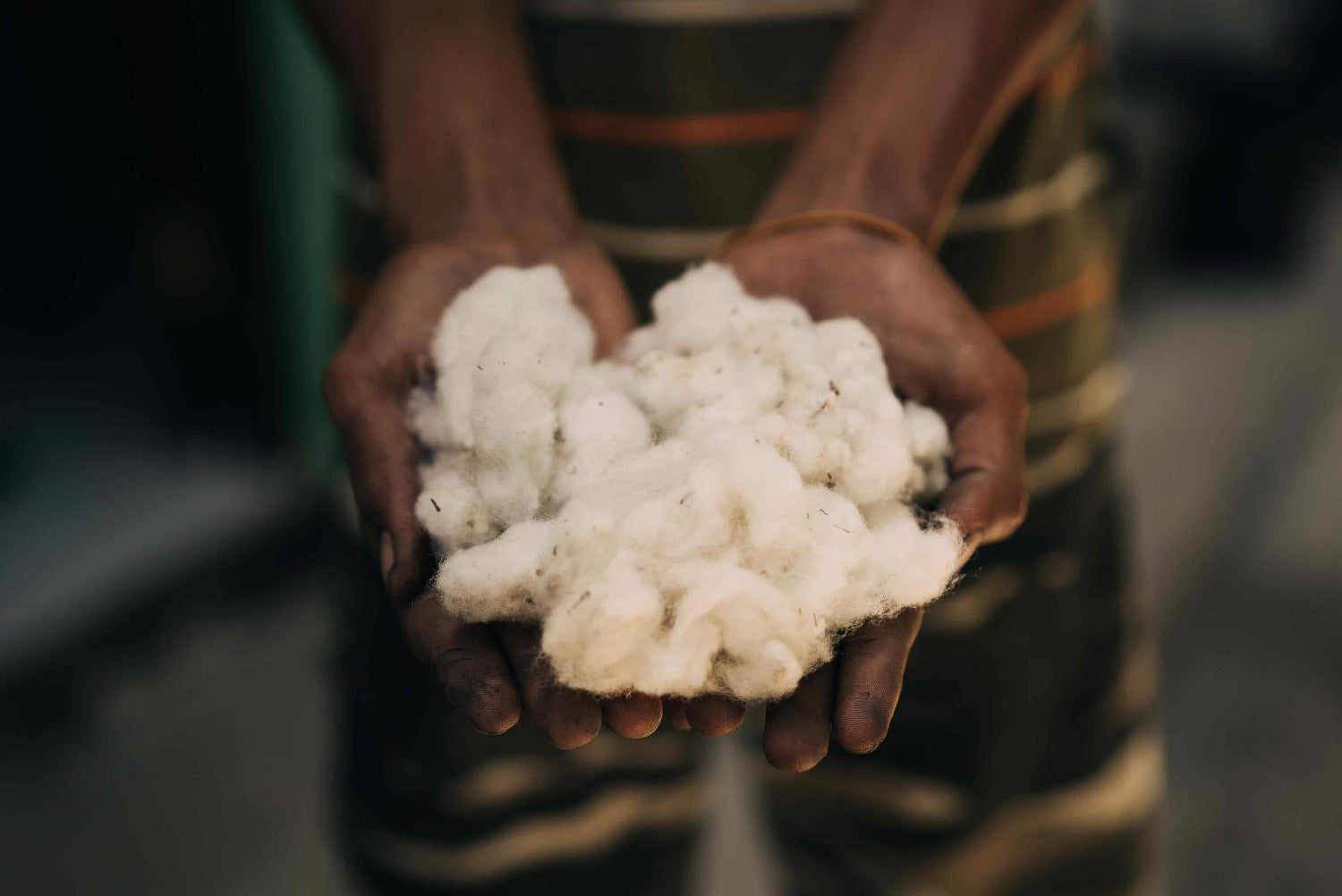
Raw Materials
Our woven fabrics are designed and made exclusively for RŪPAHAUS, using 100% organically cultivated cotton and traditional weaving methods.
Where weaving is not part of the process, we source 100% GOTS-certified organic cotton and other responsibly obtained natural materials.
From textiles to clayware, bamboo, and beeswax, our materials are sourced as close as possible to where each piece is made — reflecting the commitment to thoughtful sourcing, local knowledge, and long-term use.
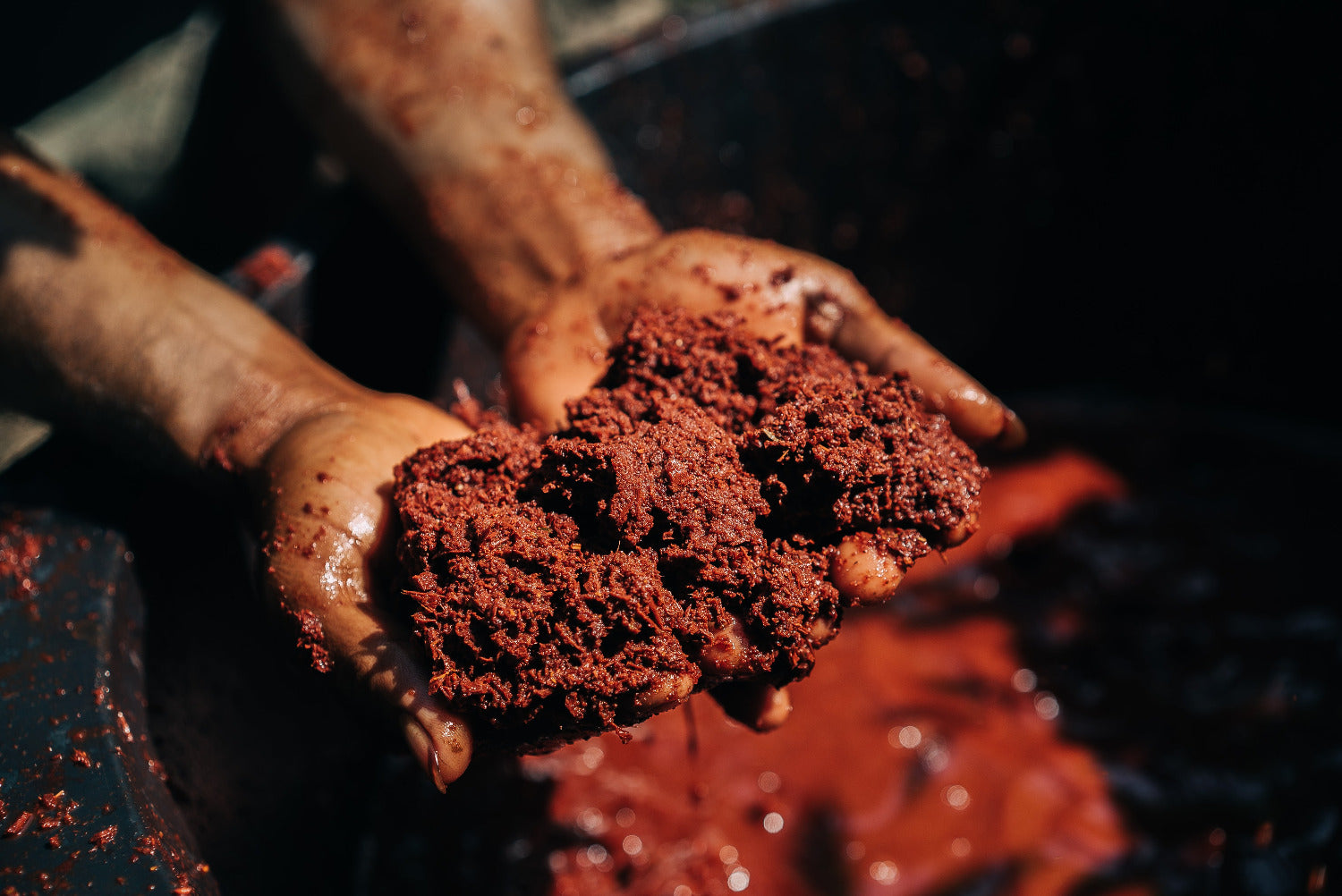
Plant Dyes
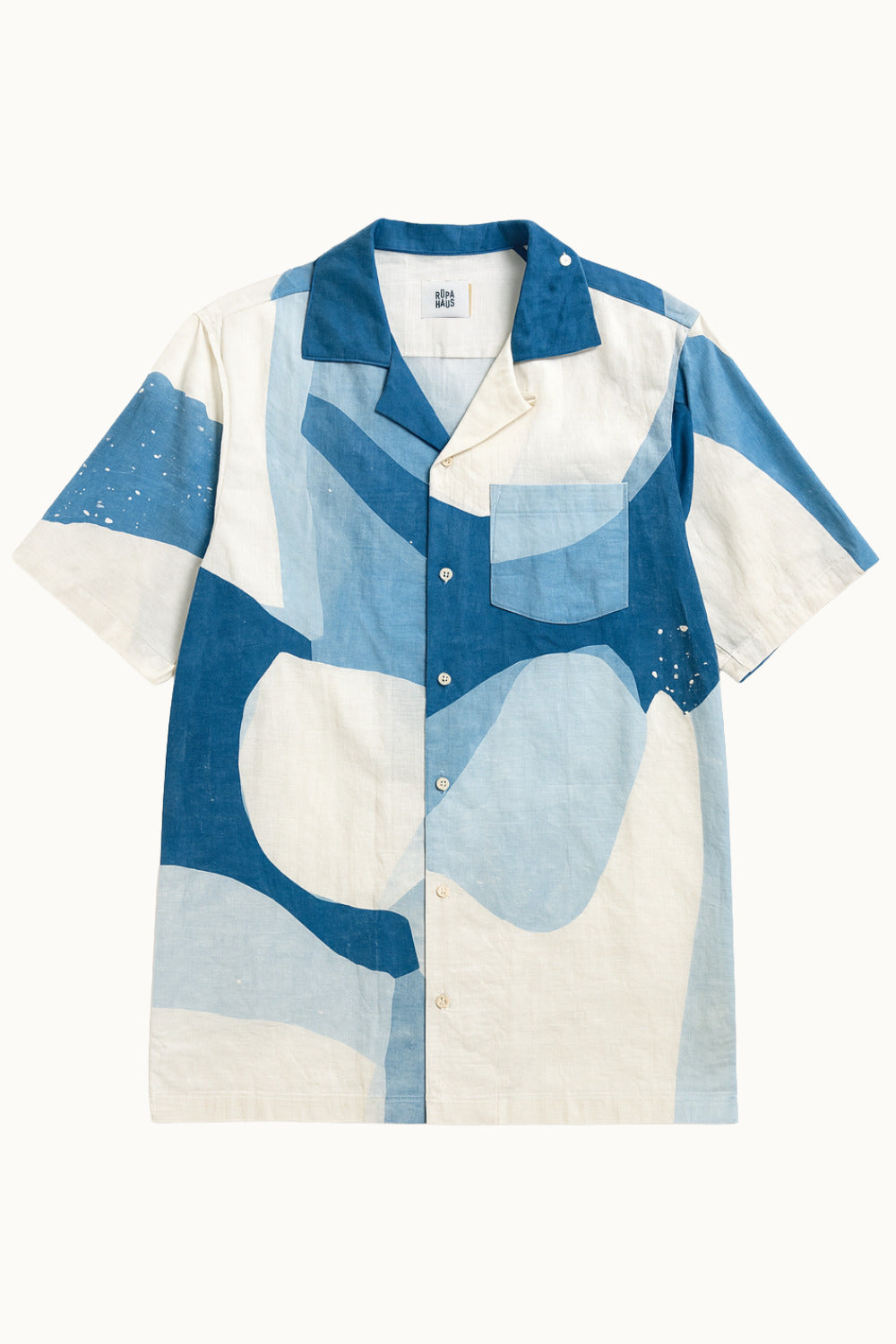
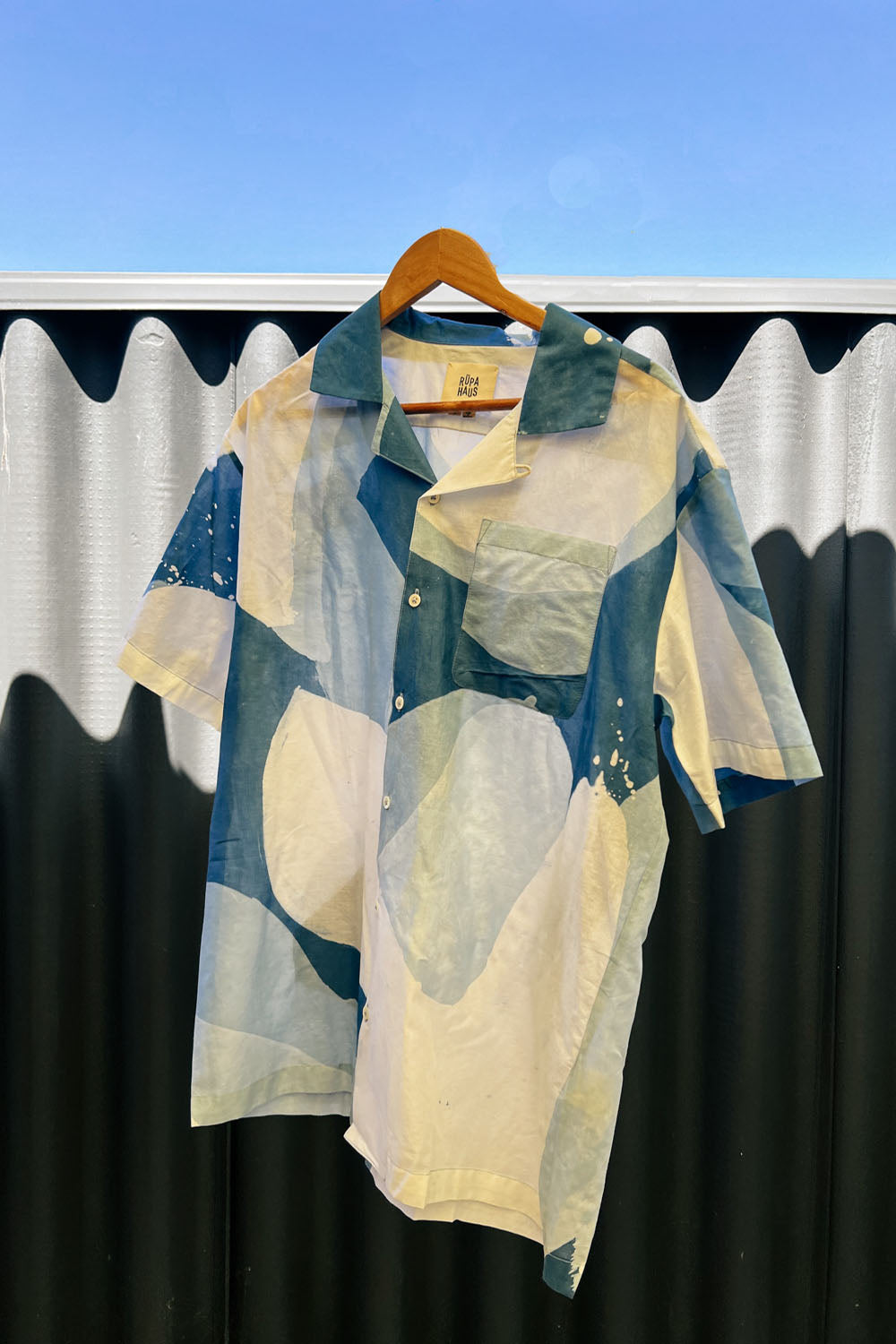
Our yarns are hand-dyed using natural dyes derived from plants, flowers, leaves, roots, bark, and seeds. These processes are gentle enough to be safely returned to the land.
Variation in colour and texture is natural — and valued.
Waste Management
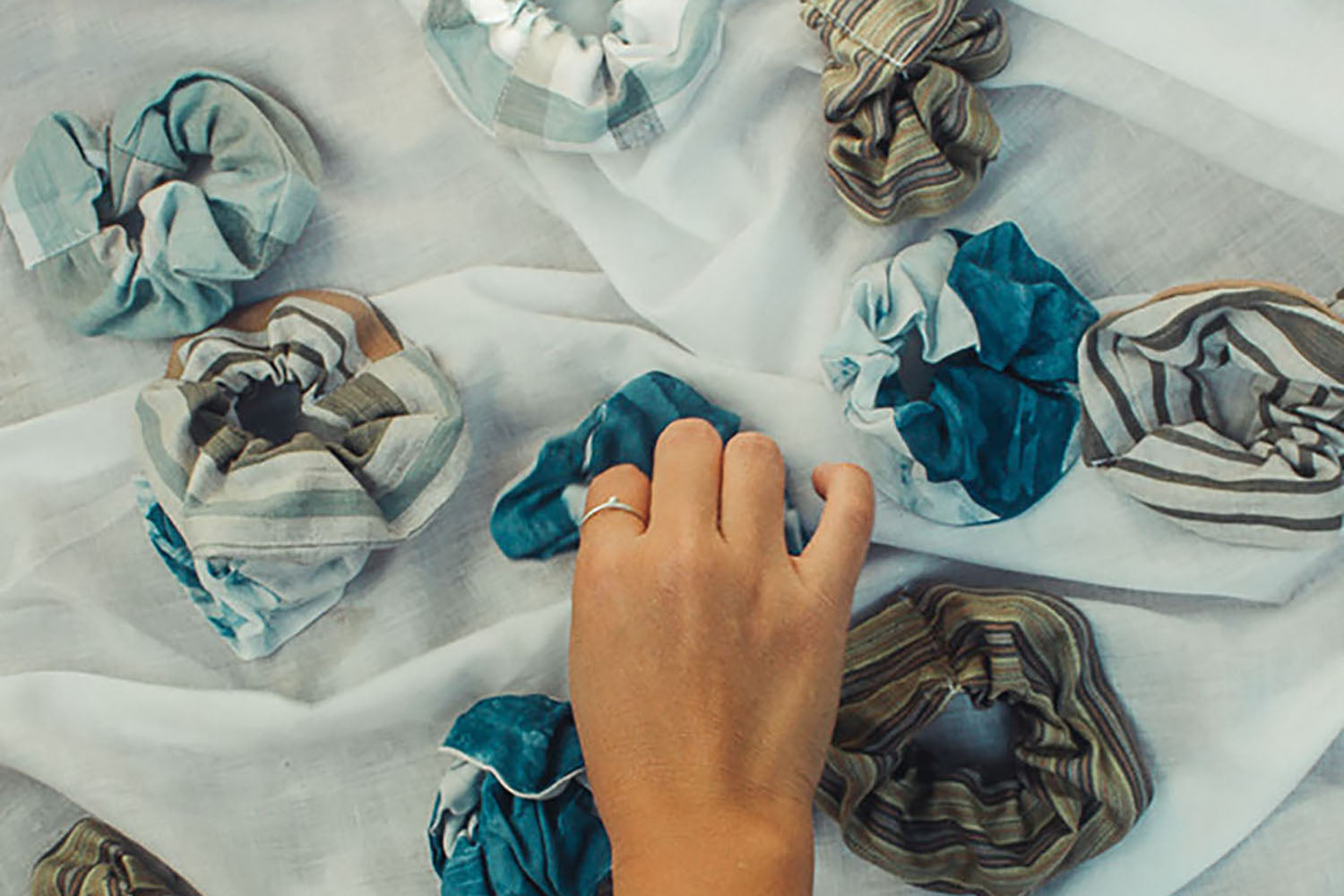
Leftover yarns and fabric offcuts are reused through our in-house upcycling initiative, re:RŪPA — giving materials another life rather than letting them go to waste.
We also offer a Take-Back initiative allowing customers to return garments at the end of their usable life, where returned piece are assessed for repair, repurposing, or responsible fibre recycling.
For us, sustainability is about care, intention, and respect — not perfection.
Product & Process

Designed for Longevity
Our pieces are designed to be worn often and kept for years.
Seasonless silhouettes, breathable fabrics, and durable construction support rewear, repair, and everyday use.
Slow, Small-batch Production
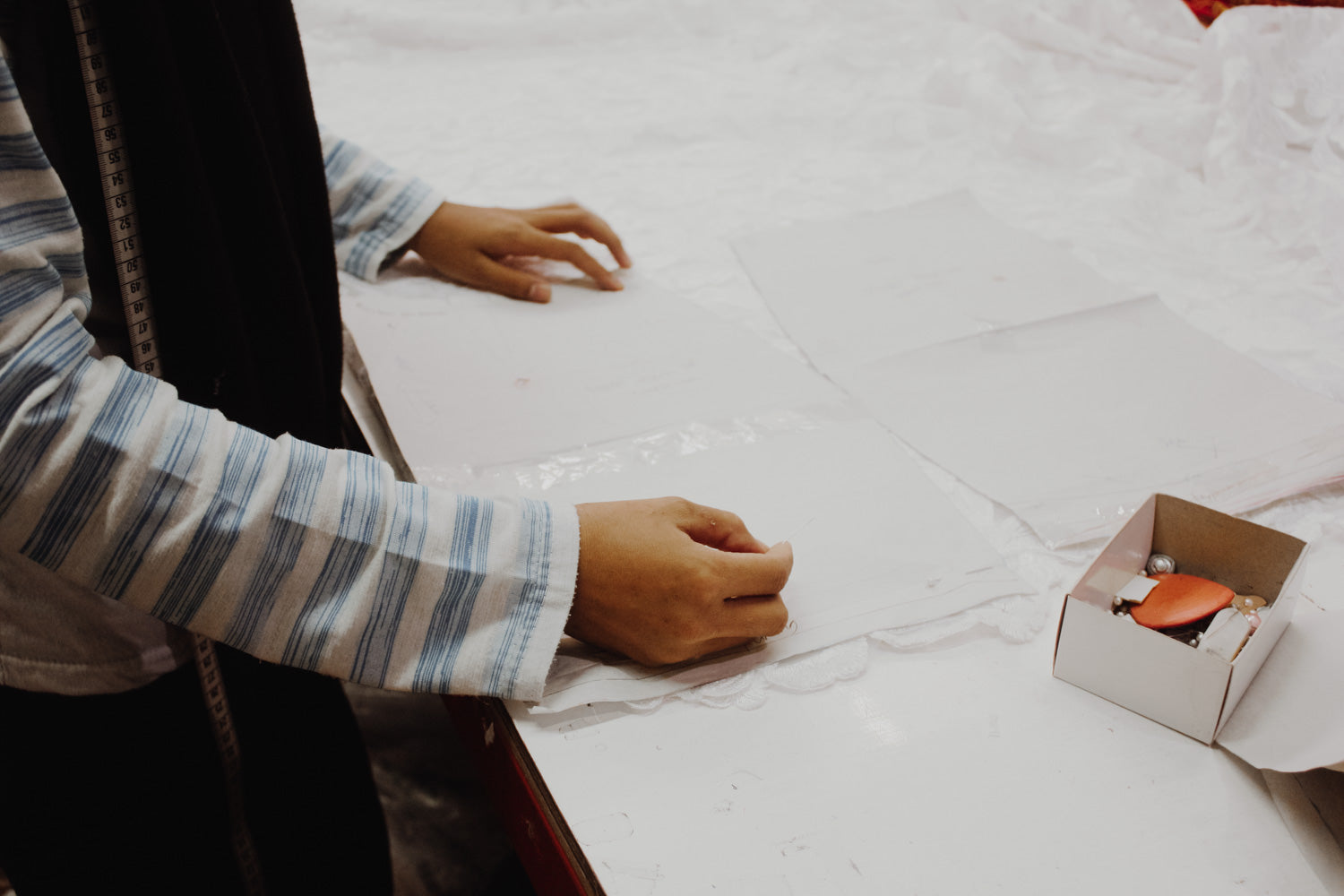
We produce in small quantities, creating only what feels responsible.
Each piece reflects time, variation, and the human touch — protecting both craft and the people behind it.

RESPONSIBLE DECISION-MAKING
We make decisions intentionally — from what we produce, to when and how much.
Instead of chasing constant releases or forecasted demand, we follow natural production rhythms and real human capacity, within a steady and considered production cycle.
By letting nature and artisan-led processes set the pace, we help avoid overproduction, limit excess stock, and prioritise thoughtful continuity over market pressure.
FAQs
What does “fair work practices” mean at RŪPAHAUS?
How are RŪPAHAUS materials responsibly sourced?
Are RŪPAHAUS products handmade?
Why do RŪPAHAUS products show variation in colour or texture?
What does “giving back” mean at RŪPAHAUS?
How does small-batch production support sustainability?
Clothing Made With Intention
Every piece begins with a textile tradition — woven, dyed, and finished by hand in Indonesia.